

In This Article
Have you ever found yourself utterly captivated by the eerie atmosphere of a crumbling mansion, where shadows dance across candlelit corridors and secrets lurk behind every door? If so, you’ve likely experienced the intoxicating allure of gothic novels. These atmospheric masterpieces have haunted readers’ imaginations for over 250 years, weaving together elements of horror, romance, and psychological suspense into narratives that linger long after the final page.

Gothic novels transport us to worlds where the boundaries between reality and the supernatural blur deliciously. From the windswept Yorkshire moors of Wuthering Heights to the decaying mansions of Mexican highlands, these books offer an escape into darkness that somehow illuminates the deepest corners of human nature. Whether you’re drawn to classic gothic literature that defined the genre or modern gothic fiction that reinvents it for contemporary audiences, 2026 offers an exceptional selection of atmospheric gothic books that deserve a place on your bookshelf.
The beauty of gothic novels lies in their versatility—they can be haunted house novels dripping with Victorian grandeur, dark romantic fiction exploring forbidden passions, or eerie mansion mysteries that keep you guessing until the very end. With the genre experiencing a remarkable renaissance, both classic tales and fresh voices are capturing readers’ attention across the UK. In this comprehensive guide, we’ll explore the finest gothic novels available in 2026, examining both timeless masterpieces and thrilling new releases that honour the genre’s rich tradition whilst pushing its boundaries into exciting new territories.
Quick Comparison Table
| Book Title | Author | Type | Price (£) | Best For |
|---|---|---|---|---|
| Wuthering Heights | Emily Brontë | Classic | £4.99-£10.99 | Passionate romance |
| Frankenstein | Mary Shelley | Classic | £7.35 | Philosophical horror |
| Dracula | Bram Stoker | Classic | £7.35 | Vampire gothic |
| Rebecca | Daphne du Maurier | Classic | £10.99 | Psychological suspense |
| Mexican Gothic | Silvia Moreno-Garcia | Modern | £8.99-£14.99 | Contemporary horror |
| Three Gothic Novels | Walpole/Shelley/Beckford | Collection | £11.35 | Genre foundations |
| The Castle of Otranto | Horace Walpole | Classic | £8.99 | Historical significance |
💬 Just one click – help others make better buying decisions too!😊
✨ Don’t Miss These Exclusive Deals!
🔍 Take your gothic novels collection to the next level with these carefully selected products. Click on any highlighted item to check current pricing and availability on Amazon.co.uk. These books will help you create authentic atmospheric reading experiences your book club will love!
Top 7 Gothic Novels: Expert Analysis
1. Wuthering Heights by Emily Brontë
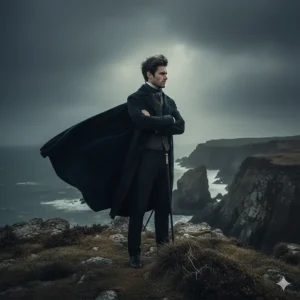
When it comes to dark romantic fiction, few novels match the raw, elemental power of Emily Brontë’s only novel. Set against the wild Yorkshire moors, this masterpiece follows the destructive passion between Catherine Earnshaw and the enigmatic Heathcliff—a love so intense it transcends death itself.
Key Features:
- First published in 1847
- Penguin Classics edition available
- Multiple formats: paperback, hardback, Kindle
The novel’s gothic elements extend beyond its atmospheric setting. Wuthering Heights itself becomes a character—a brooding presence where violence and passion echo through generations. Brontë’s innovative narrative structure, told through multiple perspectives, creates an unsettling sense of unreliability that keeps readers questioning what’s real and what’s imagined.
Price Range: £4.99-£10.99
UK Customer Feedback: British readers consistently praise the Penguin Clothbound Classics edition for its beautiful design and scholarly introduction. One reviewer noted, “The atmospheric descriptions of the moors make you feel the wind in your bones.”
✅ Pros:
- Unforgettable characters
- Poetic, atmospheric prose
- Explores class, revenge, and obsession
❌ Cons:
- Complex narrative structure
- Characters can be challenging to like
2. Frankenstein by Mary Shelley
Often hailed as the first science fiction novel, Mary Shelley’s Frankenstein remains equally powerful as a gothic masterpiece. Written when Shelley was just 18, this tale of creation and responsibility explores what happens when humanity plays God.
Key Specifications:
- Penguin Classics edition: £7.35
- 1818 text available
- Includes scholarly annotations
The British Library notes that Frankenstein exemplifies gothic literature’s fascination with scientific overreach and moral ambiguity. The novel’s frame narrative—a story within a story—creates layers of gothic atmosphere, from the Arctic wastes to Alpine peaks.
Price Range: £7.35-£9.99
Customer Insights: UK readers particularly appreciate the 1818 text, which differs significantly from later revisions. Many note the philosophical depth exceeds expectations set by film adaptations.
✅ Pros:
- Philosophical and emotionally resonant
- Multiple perspectives create complexity
- Beautifully written
❌ Cons:
- Slower pacing than modern horror
- Frame narrative can feel distant
3. Dracula by Bram Stoker
Bold Dracula revolutionised vampire fiction and established many tropes still used today. Stoker’s epistolary novel—told through diary entries, letters, and newspaper clippings—creates an immersive experience as readers piece together the horrifying truth about Count Dracula’s arrival in England.
Specifications:
- Penguin Classics: £7.35
- Wordsworth Classics: from £2.25
- Multiple editions available
The novel brilliantly captures Victorian anxieties about sexuality, immigration, and modernity. Stoker’s use of cutting-edge technology (phonographs, typewriters) grounds the supernatural horror in contemporary reality, making it all the more terrifying.
Price Range: £2.25-£11.00
UK Reviews: Readers consistently highlight the novel’s epistolary format as both innovative and engaging. The Penguin edition’s scholarly notes help contextualise Victorian references.
✅ Pros:
- Innovative narrative structure
- Genuinely suspenseful
- Rich with Victorian atmosphere
❌ Cons:
- Some dated attitudes
- Middle section can drag slightly
4. Rebecca by Daphne du Maurier
Opening with one of literature’s most famous lines—”Last night I dreamt I went to Manderley again”—Rebecca is a psychological gothic masterpiece. Du Maurier crafts a tale where the dead exert more power than the living, and a house becomes the embodiment of obsession.
Key Details:
- First published 1938
- Winner of numerous awards
- Adapted by Alfred Hitchcock (1940) and Netflix (2020)
The unnamed narrator’s journey from insecure second wife to self-possessed woman unfolds against the brooding grandeur of Manderley estate. Du Maurier’s skill lies in making Rebecca—who never appears except through others’ memories—the most vivid character in the novel.
Price Range: £10.99
Customer Feedback: UK readers praise du Maurier’s atmospheric prose and psychological insight. One reviewer wrote, “The sense of dread builds so masterfully, you can’t put it down.”
✅ Pros:
- Masterful psychological suspense
- Cornish setting beautifully rendered
- Twist ending
❌ Cons:
- Passive protagonist (intentionally)
- Some plot conveniences
5. Mexican Gothic by Silvia Moreno-Garcia
Modern gothic fiction meets postcolonial critique in Silvia Moreno-Garcia’s stunning novel. Set in 1950s Mexico, Mexican Gothic follows socialite Noemí Taboada as she investigates her cousin’s disturbing letters from an isolated mansion in the highlands.
Specifications:
- Published 2020
- Multiple award winner
- Available in paperback, hardback, Kindle
Moreno-Garcia brilliantly reinvents classic gothic literature for contemporary audiences, weaving Mexican folklore with traditional Gothic tropes. The crumbling High Place mansion echoes Manderley and Thornfield Hall, but the horror here is distinctly rooted in colonial violence and eugenics.
Price Range: £8.99-£14.99
UK Reception: British readers appreciate the fresh perspective on familiar gothic elements. The fungal horror elements create genuine unease whilst the social commentary adds depth.
✅ Pros:
- Fresh take on gothic conventions
- Compelling protagonist
- Atmospheric and creepy
❌ Cons:
- Slower first third
- Not for fungus-phobics
6. Three Gothic Novels (Penguin Classics Collection)
For those wanting to explore the genre’s foundations, this Three Gothic Novels collection offers exceptional value. Including The Castle of Otranto (1765), Vathek (1786), and Frankenstein (1818), it presents the evolution of gothic literature across its formative decades.
Collection Contents:
- The Castle of Otranto by Horace Walpole
- Vathek by William Beckford
- Frankenstein by Mary Shelley
According to scholarly research, Walpole’s Castle of Otranto represents the genre’s birth—the first work explicitly labelled “Gothic.” The collection’s erudite introduction by Mario Praz provides invaluable context for understanding how these works shaped centuries of literature.
Price: £11.35
Customer Response: UK readers value this as an affordable entry point to classic gothic literature. The quality of Penguin’s editorial apparatus receives particular praise.
✅ Pros:
- Three seminal works in one volume
- Excellent scholarly introduction
- Great value for money
❌ Cons:
- Dense 18th-century prose
- Dated sensibilities in places
7. The Castle of Otranto by Horace Walpole (Individual Edition)
Whilst included in the collection above, The Castle of Otranto merits individual attention as the novel that birthed an entire genre. Published in 1764, Walpole’s supernatural tale set the template for every eerie mansion mystery that followed.
Specifications:
- Oxford World’s Classics edition available
- Penguin Classics edition: approx. £8.99
- Includes scholarly apparatus
The plot—involving a prince cursed by prophecy, giant supernatural manifestations, and secret passages—may seem melodramatic today, but Walpole’s influence cannot be overstated. Every haunted house novel, every Gothic romance, traces its lineage to this slim volume.
Price Range: £8.99
UK Feedback: Readers appreciate annotated editions that explain historical and literary context. Many note the novel’s campier elements have surprising charm.
✅ Pros:
- Historical literary significance
- Quick, entertaining read
- Foundation of the genre
❌ Cons:
- Melodramatic by modern standards
- Archaic language
What Makes Gothic Novels So Compelling?
Gothic novels captivate readers through a distinctive blend of atmospheric elements that create psychological unease whilst exploring profound human truths. At their core, these works examine the shadow side of human nature—our capacity for obsession, violence, and transgression—within settings that physically embody decay, mystery, and the weight of the past.
The genre’s enduring appeal lies in its flexibility. Classic gothic literature established conventions—crumbling castles, mysterious manuscripts, persecuted heroines, brooding anti-heroes—that modern gothic fiction reimagines for contemporary contexts. Whether set in Victorian England or 1950s Mexico, gothic novels explore universal anxieties about identity, power, and the unknown.
Atmospheric gothic books succeed by making their settings active participants in the narrative. Think of Manderley in Rebecca, simultaneously beautiful and oppressive, or High Place in Mexican Gothic, literally poisoning those who dwell within. These spaces externalise characters’ internal conflicts, creating an immersive reading experience where environment and psychology intertwine.
The Psychology Behind Gothic Appeal
Research suggests gothic literature appeals to our fundamental need to explore fear in safe contexts. Unlike real-life horror, dark romantic fiction and haunted house novels allow us to experience terror, revulsion, and dread whilst knowing we can close the book if it becomes overwhelming. This controlled exposure can be cathartic, helping readers process anxieties about mortality, isolation, and powerlessness.
Moreover, gothic novels often centre marginalised perspectives—women trapped in patriarchal systems, outsiders confronting corrupt aristocracies, individuals battling societal hypocrisy. This subversive element gives the genre enduring relevance, as each generation finds new meanings in stories of the powerless confronting entrenched power.
Classic Gothic Literature vs Modern Gothic Fiction
| Aspect | Classic Gothic Literature | Modern Gothic Fiction |
|---|---|---|
| Setting | European castles, monasteries | Diverse locations globally |
| Themes | Religious doubt, aristocratic decay | Colonialism, trauma, identity |
| Female Characters | Passive victims (often) | Complex, active protagonists |
| Horror Elements | Supernatural ambiguity | Psychological + supernatural |
| Social Commentary | Implicit | Explicitly political |
| Diversity | Predominantly white European | Increasingly diverse voices |
Whilst classic gothic literature established the genre’s DNA, modern gothic fiction demonstrates its remarkable adaptability. Contemporary authors like Silvia Moreno-Garcia, Tananarive Due, and Helen Oyeyemi bring fresh perspectives, exploring how gothic tropes can illuminate experiences of racism, colonialism, and cultural displacement.
Classic works remain essential reading for understanding the genre’s foundations and appreciating how later authors built upon and subverted these traditions. The dialogue between old and new enriches both—reading Mexican Gothic alongside Rebecca reveals how du Maurier’s psychological insights influenced Moreno-Garcia’s approach to character development, whilst Moreno-Garcia’s postcolonial lens retrospectively highlights power dynamics implicit in earlier works.
How to Choose the Right Gothic Novel for You
Consider Your Reading Preferences
For Romance Lovers: Start with Wuthering Heights or Rebecca. Both feature intense romantic relationships central to their gothic atmosphere, though Brontë’s approach is more elemental whilst du Maurier emphasises psychological manipulation.
For Horror Enthusiasts: Dracula delivers genuine scares alongside Victorian atmosphere, whilst Mexican Gothic offers visceral modern horror with fungal body horror elements that rival any contemporary horror novel.
For Literary Fiction Fans: Frankenstein combines philosophical depth with gothic atmosphere, raising questions about creation, responsibility, and what it means to be human that remain startlingly relevant.
For Historical Interest: The Castle of Otranto and the Three Gothic Novels collection provide fascinating insight into the genre’s origins and 18th-century sensibilities.
Reading Level Considerations
Classic gothic literature often employs complex sentence structures and archaic vocabulary that can challenge modern readers. Penguin Classics and Oxford World’s Classics editions typically include helpful notes explaining historical references and obscure terms.
Modern gothic fiction generally uses more accessible prose whilst maintaining atmospheric richness. If you’re new to the genre, starting with contemporary works like Mexican Gothic before tackling Victorian classics can build confidence and appreciation for gothic conventions.
Format Matters
Paperback editions (£4.99-£14.99): Most portable and affordable, perfect for commuting or beach reading.
Hardback Clothbound editions (£10.99-£30.00): Beautiful collectibles that enhance the reading experience through premium materials and design.
Kindle/Digital (£0.99-£9.99): Convenient and space-saving, often cheaper, though some readers feel gothic novels lose atmosphere on screens.
Audiobook formats: Excellent narration can elevate gothic novels, particularly when readers excel at conveying atmosphere and distinct character voices.
The Historical Evolution of Gothic Novels
Understanding gothic novels’ historical context enriches appreciation for how the genre reflects changing social anxieties. The British Library’s extensive Gothic collection demonstrates how these works emerged from specific historical moments whilst transcending their origins.
The Birth of Gothic (1764-1800)
Horace Walpole’s 1764 publication of The Castle of Otranto marked gothic literature’s beginning. Writing during the Enlightenment’s height, Walpole created a space for irrationality, superstition, and emotional excess that rational philosophy sought to eliminate. His subtitle—”A Gothic Story”—deliberately evoked medieval “Gothic” architecture, positioning his tale against Enlightenment modernity.
Ann Radcliffe perfected the genre in the 1790s with novels like The Mysteries of Udolpho, creating the “explained supernatural” where seemingly ghostly events receive rational explanations. Her work influenced Jane Austen’s Northanger Abbey, which lovingly satirised gothic conventions whilst acknowledging their appeal.
Victorian Gothic (1837-1901)
The Victorian era saw gothic literature evolve to address industrial society’s anxieties. Frankenstein anticipated concerns about scientific progress, whilst Dracula reflected fears about immigration, sexuality, and contagion. Authors increasingly moved gothic horror from distant European castles into contemporary English settings, making the uncanny disturbingly close to home.
The Brontë sisters—Charlotte, Emily, and Anne—brought psychological complexity to gothic fiction, exploring female experience within patriarchal society through gothic frameworks. Their heroines weren’t passive victims but active agents navigating oppressive systems.
Modern Gothic (1938-Present)
Daphne du Maurier’s Rebecca demonstrated gothic literature’s continued relevance for 20th-century audiences, proving the genre could address modern psychological insights whilst maintaining atmospheric power. Contemporary gothic fiction has exploded in diversity, with authors worldwide adapting gothic conventions to explore postcolonial trauma, racial violence, queer identity, and environmental destruction.
This evolution demonstrates gothic novels’ remarkable flexibility—the genre’s core concerns with power, transgression, and the uncanny translate across cultures and eras, making it perpetually relevant.
Where Gothic Novels Excel: Atmospheric Settings
One defining characteristic separating exceptional gothic novels from merely good ones is their mastery of atmospheric settings. These locations aren’t mere backdrops but active forces shaping characters’ fates and readers’ emotional experiences.
The Haunted House Archetype
From Walpole’s Castle of Otranto to Moreno-Garcia’s High Place, gothic mansions embody the past’s weight pressing upon the present. These structures typically feature:
Physical decay: Crumbling stone, peeling wallpaper, rotting timbers reflect moral corruption and social decline.
Labyrinthine layouts: Secret passages, locked rooms, and confusing corridors create disorientation and vulnerability.
Isolation: Distance from civilisation intensifies helplessness and prevents escape.
History: Accumulated secrets and past violence haunt current inhabitants.
These houses often function as physical manifestations of psychological states. Manderley represents Rebecca’s enduring influence; Wuthering Heights embodies Heathcliff’s violent passions; High Place literally absorbs and transforms those dwelling within its walls.
Natural Landscapes as Gothic Spaces
Whilst mansions dominate gothic imagery, natural settings prove equally powerful. The Yorkshire moors in Wuthering Heights reflect characters’ wild, untamed natures. Dracula‘s Transylvanian mountains create disorienting unfamiliarity for Jonathan Harker, emphasising his powerlessness.
Modern gothic fiction expands geographical scope—Mexican highlands, Japanese forests, Louisiana swamps—demonstrating how gothic atmosphere transcends specific locations, arising wherever landscape and psychology intersect to create unease.
FAQ
❓ What exactly defines a gothic novel?
❓ Are gothic novels suitable for readers who dislike horror?
❓ Which gothic novel should absolute beginners start with?
❓ Do I need to read gothic novels in historical order?
❓ Are there gothic novels set outside Europe and America?
Conclusion: Embrace the Gothic Darkness
Gothic novels have captivated readers for over 250 years because they tap into fundamental human experiences—fear of the unknown, fascination with transgression, and the complex relationship between past and present. Whether you’re drawn to the windswept passion of Wuthering Heights, the philosophical horror of Frankenstein, the vampire mythology of Dracula, or the psychological suspense of Rebecca, the genre offers extraordinary richness and variety.
The seven gothic novels explored in this guide represent both the genre’s historical foundations and its contemporary innovations. Classic gothic literature like The Castle of Otranto and Frankenstein established conventions that continue influencing storytelling across all media, whilst modern gothic fiction demonstrates the genre’s remarkable adaptability to address contemporary concerns.
For UK readers in 2026, gothic novels provide both escapist entertainment and profound literary experiences. With prices ranging from budget-friendly Wordsworth Classics (£2.25) to premium Penguin Clothbound editions (around £30.00), there’s something for every reader and budget. The genre’s current renaissance means exceptional new voices are emerging alongside reissued classics, creating the perfect moment to explore these atmospheric masterpieces.
Whether you start with a centuries-old classic or a brand-new release, gothic novels promise to transport you to worlds where shadows hold secrets, houses remember violence, and the line between reality and nightmare dissolves deliciously. So dim the lights, perhaps light a candle, and lose yourself in the beautiful darkness of gothic literature. Your bookshelf—and your imagination—will thank you.
Recommended for You
- 7 Best Victorian Era Fiction Books UK 2026
- 7 Best Tudor Historical Fiction Books UK 2026
- 7 Best Debut Novels 2026: Prize-Winning UK Literary Fiction
Disclaimer: This article contains affiliate links. If you purchase products through these links, we may earn a small commission at no additional cost to you. Prices shown are approximate and may vary based on edition, retailer, and current promotions.
✨ Found this helpful? Share it with your mates! 💬🤗
