In This Article
The sas soldier autobiography genre represents some of the most gripping non-fiction available on Amazon.co.uk today. These aren’t Hollywood fantasies — they’re firsthand accounts from the men who’ve operated in the world’s most dangerous environments, written with the kind of brutal honesty that only comes from genuine experience. The Special Air Service, formed in 1941, remains one of the world’s most respected special forces units. What makes these books particularly compelling for British readers is their unflinching look at the selection process, the camaraderie forged under impossible conditions, and the psychological toll that comes with being part of the UK’s most secretive military unit.
Unlike American special forces memoirs that often lean heavily into bravado, British special operations books tend toward understatement and dark humour — a reflection of the regimental culture itself. You’ll find accounts of the Iranian Embassy siege, the Falklands War, Gulf War operations, and counter-terrorism missions in Northern Ireland, all told with the measured tone of men who’ve genuinely been there. Whether you’re a military history enthusiast, someone considering a career in the armed forces, or simply drawn to tales of human endurance, the sas soldier autobiography category offers something remarkably authentic: unvarnished truth from the sharp end of British military operations.
Quick Comparison: Top SAS Soldier Autobiographies Available on Amazon.co.uk
| Title | Author | Focus Period | Price Range | Best For |
|---|---|---|---|---|
| Bravo Two Zero | Andy McNab | Gulf War 1991 | £7-£12 | Survival & Capture Stories |
| The One That Got Away | Chris Ryan | Gulf War 1991 | £7-£11 | Escape & Evasion |
| SAS: Rogue Heroes | Ben Macintyre | WWII Formation | £9-£15 | Historical Overview |
| Immediate Action | Andy McNab | Full Career Arc | £8-£13 | Selection & Training |
| Seven Troop | Andy McNab | 1980s Operations | £8-£13 | Team Dynamics & PTSD |
| Soldier ‘I’ | Pete Winner | 1970s-1990s | £10-£16 | Iranian Embassy & Falklands |
| SAS: The Autobiography | Jon E. Lewis (Ed.) | Multi-Era Anthology | £9-£14 | Comprehensive Regiment History |
💬 Just one click — help others make better buying decisions too!😊
✨ Don’t Miss These Exclusive Deals!
🔍 Take your understanding of special forces operations to the next level with these carefully selected books. Click on any highlighted title to check current pricing and availability on Amazon.co.uk. These picks will help you find exactly what you need!
Top 7 SAS Soldier Autobiographies: Expert Analysis
1. Bravo Two Zero by Andy McNab
This is the sas soldier autobiography that brought the genre into the mainstream. McNab’s account of the disastrous eight-man patrol behind Iraqi lines during the 1991 Gulf War remains the bestselling British military memoir of all time — and for good reason. The mission brief was straightforward enough: locate and destroy Scud missile launchers threatening Israel. The reality became a brutal lesson in how quickly special operations can unravel. Within days, the patrol was compromised by a local shepherd, forced to abandon their equipment after a firefight with Iraqi forces, and then split into smaller groups during a desperate escape attempt toward the Syrian border in sub-zero temperatures.
What sets this book apart from typical war memoirs is McNab’s willingness to describe not just the heroics but the cock-ups, the miscommunications, and the sheer terror of being hunted across hostile desert. Three members of the patrol died from hypothermia and enemy fire. Four, including McNab, were captured and subjected to weeks of interrogation and torture in Baghdad. The spec sheet won’t tell you this, but McNab’s prose is remarkably accessible — he writes like he’s down the pub telling you the story, not like he’s trying to impress a publisher. For British readers who remember the Gulf War coverage on the BBC, this fills in the gaps that the Ministry of Defence never disclosed at the time.
UK readers particularly appreciate: The sections on SERE (Survival, Evasion, Resistance, Escape) training actually prove relevant when McNab’s in Iraqi custody — there’s a grim satisfaction in seeing the theory tested under the worst possible circumstances. The book also sparked considerable controversy (fellow patrol member Chris Ryan disputes several key details in his own memoir), which adds an extra layer of intrigue.
Customer feedback (UK reviewers): Most praise the “no-nonsense writing style” and “gripping from start to finish” pace. A common criticism is that some readers find McNab’s account doesn’t quite align with other patrol members’ versions — but that debate is part of what makes the Bravo Two Zero story so compelling.
Pros:
✅ Brutally honest about both successes and failures
✅ Accessible writing style keeps you turning pages
✅ Provides rare insight into SAS training and mindset
Cons:
❌ Some details disputed by other patrol members
❌ Graphic torture descriptions may be too intense for some readers
Price & Value: Typically around £8-£12 for the paperback on Amazon.co.uk, with Kindle editions often available for £5-£8. Given it’s sold over 1.7 million copies in the UK alone, you’re buying into a genuine piece of modern British military history. Represents excellent value for what is essentially a masterclass in how special operations actually work when everything goes wrong.
2. The One That Got Away by Chris Ryan
Chris Ryan’s account provides the other half of the Bravo Two Zero story — specifically, the part where someone actually succeeded in escaping. Whilst McNab and the others were captured or killed, Ryan walked nearly 180 miles through hostile Iraqi territory over seven days and eight nights to reach the Syrian border. This is survival literature at its most elemental: one man, minimal equipment, evading enemy patrols whilst suffering from hypothermia, dehydration, and exhaustion.
The practical details are what make this compelling. Ryan describes navigating by the stars, rationing his last sweets, hiding in irrigation ditches as Iraqi patrols pass metres away, and the psychological battle against simply giving up. What most buyers overlook about this memoir is that Ryan was actually the patrol’s navigator and medic — his technical skills directly contributed to his survival. The contrast between his methodical, tactical approach and McNab’s more action-focused narrative style creates an interesting comparison for readers who tackle both books.
For British readers interested in the SAS selection process, Ryan provides excellent context on the gruelling training that prepared him for this ordeal. He’s candid about the fear, the moments of despair, and the small decisions that kept him alive. The sections on dealing with frost-damaged feet whilst still maintaining operational security are particularly instructive. Worth noting: Ryan went on to serve another five years in the SAS after this operation, eventually becoming a selecting instructor himself — so this wasn’t just a lucky escape, it was a demonstration of elite-level fieldcraft.
UK perspective: Ryan’s account sparked its own controversies, with some questioning specific details of enemy contact. However, the core achievement — the longest escape and evasion in SAS history — is undisputed. For readers in rural Britain, his descriptions of moving cross-country at night without detection will resonate with anyone who’s ever done serious orienteering or hill-walking.
Customer feedback summary: UK reviewers frequently mention this is “more tactical and less sensational” than Bravo Two Zero. Readers appreciate Ryan’s focus on practical survival techniques over dramatic flourishes.
Pros:
✅ Detailed survival techniques from a true expert
✅ Complements Bravo Two Zero perspective
✅ Demonstrates elite-level escape and evasion
Cons:
❌ Less action-packed than other SAS memoirs
❌ Some readers find it repetitive during the escape sequence
Price & Value: Around £7-£11 on Amazon.co.uk for paperback editions. Excellent value particularly if you’ve already read Bravo Two Zero, as it provides essential context and alternative perspective on the same mission.
3. SAS: Rogue Heroes by Ben Macintyre
This is the sas soldier autobiography collection that goes back to the beginning — 1941, when an eccentric young officer named David Stirling had a revolutionary idea: instead of using massive infantry formations, why not deploy small teams of highly trained raiders behind enemy lines? Macintyre’s genius is securing unprecedented access to the SAS’s secret war diaries, personnel files, and operational reports that had been locked away for 75 years. The result is the first authorised history of the regiment’s wartime origins.
What makes Rogue Heroes essential reading is how Macintyre brings the founding “Originals” to life: Stirling the aristocratic visionary; Paddy Mayne the Irish rugby player who became Britain’s deadliest close-quarters fighter; Jock Lewes the disciplined training officer. These weren’t conventional soldiers — many had discipline problems or were considered too unorthodox for regular army service. Yet Churchill personally authorised Stirling to recruit the “toughest, brightest, and most ruthless” soldiers he could find. The raids on Luftwaffe airfields across North Africa reads like a thriller: small teams sneaking past German sentries, placing explosive charges on aircraft, then vanishing into the desert before the bombs detonated.
For British readers, this provides crucial context for understanding why the SAS became the template for special forces worldwide. Macintyre doesn’t shy from the darker aspects either — the extremely high casualty rate (many Originals didn’t survive the war), the questionable legality of some operations, and the personality conflicts that nearly destroyed the unit before it properly began. The sections on Paddy Mayne are particularly compelling; this was a man who once killed a German sentry in total silence with his bare hands, yet suffered from what we’d now recognise as severe PTSD.
UK context: The BBC adapted this into an excellent series in 2022, but the book contains substantially more tactical detail and personal anecdotes. Macintyre’s background as a Times journalist shows in the meticulous research — every claim is sourced. The book also inspired renewed interest in the real Paddy Mayne, now recognised as one of Britain’s most decorated yet overlooked war heroes.
Reader reception: British military historians praise this as “the definitive account” of the SAS’s formation. The writing is accessible enough for general readers whilst providing the depth that enthusiasts demand.
Pros:
✅ Authorised access to previously classified archives
✅ Exceptional character portraits of the founding members
✅ Places SAS operations in broader strategic context
Cons:
❌ Less personal than individual memoirs
❌ Focuses on WWII only, doesn’t cover modern era
Price & Value: Typically £9-£15 for the paperback on Amazon.co.uk. This represents the gold standard for British special forces history — well worth the slightly higher price point for the authoritative research and unprecedented archival access.
4. Immediate Action by Andy McNab
Before Bravo Two Zero made him famous, McNab had a decade of covert operations across five continents. This autobiography fills in the backstory: found abandoned as a baby on the steps of Guy’s Hospital in London, raised in foster care, juvenile delinquent, teenage soldier, and eventually SAS operative. What makes Immediate Action valuable is the detailed breakdown of SAS selection — the physical brutality of “the hills” phase in the Brecon Beacons, the psychological pressure designed to weed out quitters, and the specialised training that follows badging.
McNab is refreshingly honest about his rough background. He had the reading age of an 11-year-old when he joined the army at 16, and spent his early military career getting into scraps. The sections on counter-terrorism operations in Northern Ireland during the 1970s are particularly revealing — this was brutal, close-quarters surveillance work against the IRA, often in plain clothes, always risking compromise. The account of his first kill is matter-of-fact rather than glorified, which feels appropriate for the subject matter.
For prospective SAS candidates, this book provides the most comprehensive publicly available description of what selection actually entails. McNab describes the famous “endurance march” — 40 miles across Welsh mountains carrying a 25kg bergen, rifle, and water, with a strict time limit. He’s candid about the failure rate (roughly 90% don’t make it) and the instructors’ methods for breaking candidates mentally. The post-selection training in close-quarter battle, demolitions, HALO (High Altitude Low Opening) parachute jumps, and counter-terrorism drills reads like a curriculum designed to create the most dangerous soldiers on Earth.
UK relevance: The Northern Ireland chapters provide important context for British readers who lived through “The Troubles.” McNab operated in South Armagh — “Bandit Country” — where British troops were effectively at war with the Provisional IRA. His descriptions of covert observation posts and the constant threat of ambush capture the tension of that period.
Customer feedback trends: UK readers consistently mention this as “required reading before Bravo Two Zero” because it contextualises McNab’s skillset and experience. Some find the Northern Ireland sections “more gripping than the headline Gulf War story.”
Pros:
✅ Most detailed public description of SAS selection
✅ Covers operations across multiple theatres
✅ Honest about personal flaws and mistakes
Cons:
❌ Some readers find the pre-SAS childhood sections less engaging
❌ Northern Ireland operational details constrained by Official Secrets Act
Price & Value: Around £8-£13 on Amazon.co.uk. Essential companion piece to Bravo Two Zero, and arguably the better book for understanding what creates an SAS soldier. Good value for the breadth of coverage from selection through to Gulf deployment.
5. Seven Troop by Andy McNab
This is McNab’s most personal and, in many ways, his most important book. Seven Troop covers his decade in B Squadron’s Air Troop from 1983 to 1993, focusing less on operations and more on the men themselves. Of the close-knit group McNab served with, he’s one of the few still alive — the others succumbed to post-traumatic stress disorder, alcoholism, or took their own lives. This memoir is McNab’s reckoning with survivor’s guilt and the inadequate mental health support available to special forces operators.
The operational sections are still compelling — jungle training in Belize, counter-terrorism drills at the Regiment’s Hereford headquarters, close protection work in hostile environments. But what distinguishes Seven Troop is its unflinching examination of what happens after the medals are handed out. McNab describes mates who struggled with civilian life after discharge, who couldn’t process what they’d seen and done, who fell through the cracks because asking for psychological help was seen as weakness in military culture of that era.
For British readers, this provides crucial perspective on the human cost of maintaining an elite unit. The SAS is designed to attract men who push themselves beyond normal limits — but that same psychological profile makes them vulnerable when the structure and purpose of military service disappears. McNab advocates strongly for better mental health screening and support, drawing on his own battles with PTSD. The sections on learning to recognise and manage symptoms are genuinely useful for anyone dealing with trauma, not just veterans.
UK context: Published in 2008, this book helped shift the conversation about military mental health in Britain. McNab’s candour about his own struggles gave serving and former soldiers permission to seek help. The Ministry of Defence’s current veterans’ mental health programmes owe something to the awareness this book created.
Reader response: UK veterans particularly appreciate the “honest portrayal of life after service.” Civilian readers find it “eye-opening about the hidden costs of special forces work.” Some criticism that it’s “less action-packed” than earlier books, but that rather misses the point.
Pros:
✅ Important examination of PTSD in special forces
✅ Tribute to fallen comrades
✅ Demonstrates the bond between SAS troop members
Cons
❌ Less operational detail than previous memoirs
❌ Emotionally heavy subject matter
Price & Value: Typically £8-£13 on Amazon.co.uk. This is the sas soldier autobiography that matters most for understanding the full picture — not just the operations, but the lifelong consequences. Worth every penny for the mental health perspective alone.

6. Soldier ‘I’: The Story of an SAS Hero by Pete Winner
Pete Winner’s account covers nearly two decades in the SAS, from the savage Battle of Mirbat in Oman (1972) through the Iranian Embassy siege (1980) to the Falklands War (1982). What makes this memoir particularly valuable is the operational diversity — Winner wasn’t just doing counter-terrorism in Hereford, he was deployed to the world’s forgotten conflicts where British special forces operated in the shadows.
The Mirbat battle is the stuff of Regiment legend: nine SAS soldiers and 30 Omani troops holding off 250+ heavily armed insurgents for hours until relief arrived. Winner’s account of operating the 25-pounder artillery piece under heavy fire, despite having no formal gunnery training, captures the “make do and improvise” ethos that defines SAS operations. The Iranian Embassy siege chapters provide the other perspective to the famous TV footage — Winner was one of the team members who abseil down the building and cleared rooms whilst live on national television.
For British readers, Winner’s descriptions of close protection work in post-Soviet Moscow and Bosnia add dimensions often missing from other memoirs. This isn’t just about combat; it’s about operating in politically sensitive environments where diplomatic considerations constrain tactical options. The sections on dealing with PTSD are painfully honest — Winner describes flashbacks, relationship breakdowns, and the struggle to transition to civilian life after such intense experiences.
UK perspective: The Iranian Embassy siege remains a defining moment in British special forces history. Winner’s insider account reveals details the official records still classify: the split-second decisions, the smoke and confusion, the relief that all hostages (bar one, killed before the assault) survived. The 1980 operation was broadcast live on BBC television, watched by millions of Britons. For those who watched those events unfold, this fills in the blanks.
Customer feedback: UK military enthusiasts rate this highly for covering “operations the public never hears about.” Some readers note Winner’s co-author (Michael Paul Kennedy) deserves credit for helping structure the narrative whilst preserving Winner’s authentic voice.
Pros:
✅ Covers multiple decades and operations
✅ Firsthand Iranian Embassy siege account
✅ Honest about mental health struggles
Cons:
❌ Less well-known than McNab/Ryan books
❌ Some sections constrained by operational security
Price & Value: Around £10-£16 on Amazon.co.uk. Slightly pricier than mass-market paperbacks, but worth it for the breadth of operational coverage and unique insider perspective on iconic British special forces moments.
7. SAS: The Autobiography edited by Jon E. Lewis
This anthology takes a different approach: instead of one soldier’s story, it compiles firsthand accounts from multiple SAS operators across different eras, from the regiment’s WWII founding through to Afghanistan operations. Lewis curates extracts from official war diaries, personal letters, operational reports, and previously published memoirs to create a chronological history told entirely in the participants’ own words.
What makes this collection valuable is the range of voices and perspectives. You get the founding members describing the first desert raids against the Luftwaffe in 1941, counter-insurgency operations in Malaya during the 1950s, the Oman campaigns, Northern Ireland, the Falklands, Iraq, Afghanistan, and counter-terrorism operations in between. Each account is brief enough to maintain pace whilst providing sufficient detail to understand the tactical situation. Lewis’s editorial framework provides historical context without overwhelming the primary sources.
For British readers wanting a comprehensive overview without committing to multiple full-length memoirs, this is ideal. It’s particularly useful for understanding how SAS tactics and doctrine evolved over eight decades — the contrast between WWII-era raids and modern counter-terrorism operations reveals both continuity (small teams, surprise, speed) and adaptation (technology, intelligence integration, political constraints). The book also includes operations that individual operators couldn’t write full memoirs about due to Official Secrets Act restrictions.
UK context: Lewis is a respected British military historian whose other works (The English Soldier, The Mammoth Book of How It Happened series) demonstrate his archival research skills. He’s particularly good at finding lesser-known accounts that deserve wider readership. The Afghanistan sections are notably current, covering operations British readers will remember from BBC news coverage.
Reader reception: Military history buffs appreciate the “comprehensive coverage” and “authoritative sources.” General readers sometimes find the anthology format “less engaging than a single narrative,” but acknowledge the breadth compensates.
Pros:
✅ Covers entire SAS history from WWII to present
✅ Multiple perspectives and voices
✅ Includes operations too sensitive for standalone memoirs
Cons:
❌ Anthology format lacks single narrative thread
❌ Shorter extracts may leave readers wanting more detail
Price & Value: Typically £9-£14 on Amazon.co.uk. Excellent value for readers wanting comprehensive coverage, functioning essentially as a well-curated survey course on British special forces history. Good alternative to buying multiple individual memoirs.
Understanding the SAS Selection Process: What These Books Reveal
Every sas soldier autobiography eventually circles back to Selection — that brutal assessment phase that creates the foundation for everything that follows. What emerges from reading multiple accounts is that the physical challenges, whilst extreme, aren’t actually the primary filter. The Brecon Beacons “Fan Dance” — a timed march up Pen y Fan and back carrying substantial weight — tests endurance certainly, but the real purpose is psychological. The DS (Directing Staff) want to see who quits when things get uncomfortable, who maintains standards when exhausted, and who can navigate independently when isolated.
McNab’s Immediate Action provides the most detailed breakdown: initial fitness assessment, navigation exercises progressively increasing in difficulty and duration, the feared “Test Week” where candidates cover hundreds of kilometres across Welsh mountains in all weathers, then “Continuation Training” in specialised skills like demolitions and close-quarter battle. The failure rate hovers around 90%, and candidates can be “binned” (dismissed) at any point without explanation. What British readers might not realise is that passing Selection doesn’t mean you’re SAS — you’re “badged” only after completing the full training cycle and proving yourself on probationary operations.
Chris Ryan’s perspective adds the navigator’s viewpoint — Selection deliberately removes modern conveniences like GPS to force candidates back to map and compass fundamentals. In hostile environments, you can’t rely on technology that can be jammed or run out of batteries. The ability to move cross-country at night, maintaining accurate pace count over rough terrain, whilst carrying 25kg of kit, represents a fundamental skill that technology can’t replicate. For British hillwalkers familiar with the Brecon Beacons or Scottish Highlands, the challenge becomes more tangible — imagine doing that in winter, sleep-deprived, on minimal rations, knowing that falling below the required pace means instant failure.
The mental resilience aspect emerges most clearly in Seven Troop, where McNab reflects on why certain men passed whilst others with superior fitness failed. The Regiment looks for self-discipline rather than following orders, initiative rather than waiting for direction, and the ability to function independently when separated from the team. These qualities can’t be taught in a classroom — they’re revealed under the pressure of Selection and refined through subsequent training.
The Reality of Combat Operations: Lessons from Gulf War Memoirs
The Bravo Two Zero mission represents a fascinating case study in how special operations can go catastrophically wrong despite thorough planning and highly trained operators. Both McNab and Ryan’s accounts, whilst differing on specific details, agree on the fundamental challenges: compromised insertion, communications failures, extreme weather, and overwhelming enemy presence. The 1991 Gulf War saw British special forces deployed deep into Iraqi territory for strategic reconnaissance and Scud hunting operations. What emerges is that even elite soldiers can’t overcome bad intelligence and inadequate support.
The mission brief called for eight men to patrol 250 kilometres of Iraqi territory, locate mobile Scud launchers, and either destroy them or call in airstrikes. The reality: compromised by a shepherd within days, equipment too heavy for the terrain, radios that couldn’t establish contact with headquarters, temperatures dropping well below freezing at night. The decision to patrol on foot rather than use vehicles (a point of considerable post-mission debate) meant the team couldn’t cover ground quickly or carry sufficient supplies for extended operations.
For British readers, the contrast between official military doctrine and tactical reality is instructive. The SAS trains for operations behind enemy lines, but training scenarios can’t fully replicate the fog of war — intelligence that proves inaccurate, equipment that fails at critical moments, enemy forces more numerous and competent than expected. Ryan’s escape demonstrates that survival often comes down to individual skills and decision-making when the operation falls apart. McNab’s capture illustrates that even exceptional soldiers have limits when facing overwhelming odds.
The enduring lesson: special forces aren’t superhuman. They’re highly trained professionals operating with better preparation and equipment than regular infantry, but they’re still vulnerable to fundamental military problems — compromised positions, superior numbers, and physical limits. The fact that any patrol member survived the Bravo Two Zero mission is remarkable; the fact that four were captured and three died reminds us that special operations always carry extreme risk.
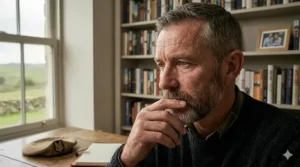
Mental Health and PTSD: The Hidden Cost of Elite Service
Seven Troop broke new ground by openly discussing post-traumatic stress disorder amongst SAS veterans. McNab describes mates who couldn’t hold down civilian jobs after discharge, relationships destroyed by emotional numbness or explosive anger, and the tragically common recourse to alcohol as self-medication. PTSD affects an estimated 4-6% of the UK population, but rates among combat veterans are significantly higher. What makes these accounts particularly valuable is McNab’s insistence that seeking help isn’t weakness — it’s recognising that the brain, like any other part of the body, can be damaged by extreme stress.
The symptoms McNab describes will be familiar to British veterans of various conflicts: intrusive memories, hyper-vigilance even in safe environments, difficulty experiencing positive emotions, and the sense that civilian problems seem trivial after combat. The SAS culture of that era — 1980s through 1990s — treated psychological wounds as something to be endured silently. Asking for help suggested you couldn’t hack it. The result: avoidable suicides and broken families.
Modern British military mental health support has improved considerably since these accounts were written, partly because memoirs like Seven Troop forced the conversation into the open. The Ministry of Defence now screens for PTSD symptoms, provides access to specialist trauma counselling, and works to reduce the stigma around mental health. The NHS offers dedicated veterans’ mental health services across England, Scotland, Wales, and Northern Ireland. Veterans’ charities like Help for Heroes (which McNab supports) fill gaps where official provision falls short. For current and former service members reading these books, the message is clear: if you’re struggling, professional help exists and there’s no shame in using it.
The broader point for civilian readers: elite military service extracts a psychological toll that may only become apparent years after discharge. The same mental toughness that helps soldiers excel operationally — emotional suppression, compartmentalisation, aggression on demand — becomes maladaptive in civilian life. Understanding this helps explain why veterans of special forces sometimes struggle with what appears to be straightforward civilian existence after demonstrating extraordinary capability under fire.
Historical Context: From WWII Desert Raiders to Modern Counter-Terrorism
Ben Macintyre’s Rogue Heroes provides essential perspective on how the SAS evolved from an unconventional WWII raiding force into the template for modern special operations. David Stirling’s original vision was straightforward: instead of using thousands of soldiers in frontal assaults, why not deploy small teams to destroy enemy aircraft whilst they’re parked on airfields? The early raids across North Africa demonstrate both the concept’s potential and its risks — when successful, a handful of men could destroy dozens of aircraft; when compromised, the casualties could be catastrophic.
The contrast with modern SAS operations is striking. WWII-era raiders relied on jeeps, explosives, and surprise. They operated with minimal communication back to headquarters and made tactical decisions independently. Modern counter-terrorism operations, as described in Soldier ‘I’s Iranian Embassy siege account, involve sophisticated intelligence, detailed planning, specialised equipment, and split-second coordination. The fundamentals remain — small teams, surprise, overwhelming violence at the point of contact — but the execution has become far more refined.
For British readers, the evolution reflects broader changes in warfare itself. The desert raiders fought in a relatively simple operational environment: locate the airfield, place the charges, escape before they detonate. Modern counter-terrorism confronts complex variables: hostages, political considerations, media coverage, legal constraints. The Iranian Embassy siege couldn’t simply be blown up; it required surgical precision to kill the terrorists whilst preserving hostages and avoiding civilian casualties in central London. The fact that the assault succeeded (one hostage killed by terrorists before entry, all terrorists neutralised, remaining hostages saved) represents years of specialised training that the WWII generation couldn’t have imagined.
The thread connecting both eras is selection of exceptional individuals and granting them tactical autonomy. Whether in 1942 or 2024, the SAS succeeds by recruiting men capable of independent decision-making under extreme pressure, then training them to exceptional standards. The weapons and tactics evolve, but the underlying principle — small teams of elite soldiers can achieve disproportionate strategic effect — remains constant.
Comparing British vs American Special Forces Memoirs
British readers familiar with American SEAL or Delta Force memoirs will notice distinct differences in tone and approach. American special forces accounts often lean into bravado and individual heroism, reflecting broader cultural differences between US and UK military traditions. British special operations books — particularly those from SAS veterans — tend toward understatement, dark humour, and emphasis on team rather than individual achievement. This isn’t coincidence; it reflects the Regiment’s deliberate culture of anonymity and collective identity.
The SAS’s famous motto, “Who Dares Wins,” captures their operational philosophy, but equally important is the unofficial code: “The Regiment comes first, individuals second.” You’ll rarely see SAS memoirs glorifying individual kills or claiming personal credit for operations. McNab, Ryan, and Winner all describe their roles as part of larger teams, acknowledge mistakes alongside successes, and maintain operational security even when it limits dramatic storytelling. American SEAL memoirs like Lone Survivor or American Sniper (whilst gripping reads) adopt a more overtly heroic narrative style.
For British audiences, the understated approach feels more authentic. We’re culturally uncomfortable with overt self-promotion, preferring the “keep calm and carry on” aesthetic. When McNab describes torture during Iraqi captivity, he does so matter-of-factly, without asking for sympathy or dwelling on his suffering. When Ryan recounts walking 180 miles through enemy territory, he focuses on practical survival decisions rather than his own endurance. This measured tone actually enhances credibility — these men have nothing left to prove.
The other distinction: British memoirs generally show more awareness of political context and moral ambiguity. Operations in Northern Ireland required SAS soldiers to operate against British citizens (albeit those committed to overthrowing British rule). The ethical complexities of counter-insurgency warfare don’t get papered over with patriotic rhetoric. Similarly, the controversies around civilian casualties in Afghanistan and Iraq receive more nuanced treatment in British accounts than their American counterparts. This doesn’t mean British special forces are morally superior — it reflects different literary and cultural expectations about how soldiers should write about war.
The Controversy: Competing Accounts and Historical Disputes
The Bravo Two Zero story sparked one of modern military publishing’s most bitter disputes. McNab’s account became a bestseller, followed by Ryan’s alternative perspective. Then came Michael Asher’s The Real Bravo Two Zero, which investigated the mission independently and concluded both accounts contained significant fabrications. Peter Ratcliffe (the Regiment’s Sergeant Major during the Gulf War) publicly stated that the patrol debriefing video contradicts key claims in both books.
For British readers trying to determine “what actually happened,” the competing narratives present challenges. McNab claims extensive firefights and high enemy casualties; Ryan disputes the engagement scale; Asher’s interviews with Iraqi witnesses suggest far less contact occurred. The truth likely sits somewhere between extremes — the patrol definitely suffered terrible conditions and casualties, but specific tactical details may have been dramatised for literary effect. Does this matter? It depends what you’re seeking from these books.
If you want absolute historical accuracy, the competing Bravo Two Zero accounts are frustrating. If you want to understand what SAS operations feel like from the operator’s perspective — the confusion, fear, and decision-making under pressure — they remain valuable. McNab and Ryan were genuinely there; their accounts, even if disputed in details, convey authentic experiences that can’t be wholly fabricated. The controversy actually adds depth: it reveals how different people experience the same events, how memory is unreliable under extreme stress, and how commercial publishing pressures can shape military memoirs.
British military historians generally recommend reading multiple accounts of any operation to triangulate toward truth. The Ministry of Defence’s official records remain classified, so we’re left with participant accounts that serve both historical and literary purposes. What’s undeniable: the Bravo Two Zero patrol suffered heavy casualties in hostile territory during the 1991 Gulf War. Whether McNab personally killed X number of enemy soldiers, or whether Ryan’s exact escape route follows his described path, matters less than the broader tactical lessons and human experiences these books convey.
The takeaway for readers: treat sas soldier autobiography memoirs as primary sources rather than definitive histories. They represent one person’s perspective, shaped by memory, ego, legal constraints, and publishing considerations. Valuable? Absolutely. Complete and unbiased? No military memoir ever is.
How to Choose Your First SAS Soldier Autobiography
For readers new to this genre, the abundance of options can feel overwhelming. Your ideal starting point depends on what specifically interests you about British special forces. If you’re drawn to survival and escape narratives, Chris Ryan’s The One That Got Away delivers pure adrenaline — one man alone in hostile territory, pushing human endurance to its limits. The tactical details of navigation, rationing, and evasion provide practical survival knowledge whilst telling a genuinely gripping story.
If you want to understand the SAS’s broader history and culture, Ben Macintyre’s Rogue Heroes is unmatched. Starting with the regiment’s formation gives context for everything that follows — why the SAS operates the way it does, where the selection process came from, and how WWII raiders evolved into modern counter-terrorism specialists. Macintyre’s access to classified archives and his skill as a historian make this the definitive introduction to the regiment’s ethos.
For readers specifically interested in the selection process and what creates an SAS soldier, Andy McNab’s Immediate Action provides the most comprehensive publicly available description. The book tracks McNab from troubled teenager through SAS selection and initial operations, demystifying the process whilst maintaining appropriate operational security. You’ll understand why the pass rate stays below 10% and what qualities the DS look for in candidates.
If modern counter-terrorism operations appeal most, Pete Winner’s Soldier ‘I’ covers the Iranian Embassy siege and other operations that defined the SAS’s public image. Winner’s account includes the planning, rehearsals, and split-second decision-making that television footage couldn’t capture. For British readers who remember watching the siege unfold on BBC, this provides the insider perspective that was classified at the time.
Budget-conscious readers should note that all these titles are available in paperback on Amazon.co.uk, typically in the £7-£15 range. Kindle editions run £3-£5 cheaper. If you’re genuinely committed to understanding British special forces, plan to read multiple accounts — each author brings different operational experience and writing styles. Start with whichever appeals most, but eventually you’ll want the broader perspective that comes from diverse voices.
UK-Specific Considerations: Availability, Delivery, and Regulations
All the sas soldier autobiography titles reviewed here are readily available on Amazon.co.uk with Prime delivery options. Most titles stock in UK warehouses, meaning next-day delivery for Prime members in major cities, or free delivery within 3-5 days for orders over £25. This matters if you’re gift-shopping or planning a reading list for an upcoming holiday — no waiting weeks for US imports.
British readers should note that some military memoirs are edited differently for UK versus US markets. Operational details that would violate the Official Secrets Act in Britain may be removed or redacted in UK editions. This is particularly relevant for Northern Ireland operations, where specific tactics and target information remain classified. The US editions sometimes include content considered too sensitive for British publication, but purchasing those requires international shipping and may involve longer delivery times.
From a legal perspective, owning and reading these books in the UK is entirely lawful — they’ve all been cleared by the Ministry of Defence and publishers’ legal teams. The authors themselves have navigated the Official Secrets Act carefully, writing about what they can disclose whilst protecting information that could endanger current operations or personnel. British readers should be aware that sharing classified information (even if you encounter it online or in foreign publications) technically violates UK law, though enforcement focuses on leaks rather than readers.
Consumer protection under the Consumer Rights Act 2015 means that if you’re unhappy with a book purchased on Amazon.co.uk, you have 14 days to return it for a refund, no questions asked. This applies to both physical books and Kindle editions (though Kindle returns have specific Amazon policies). If a book arrives damaged or isn’t as described, Amazon’s A-to-z Guarantee protects your purchase.
For readers in Northern Ireland, Scotland, or Wales, delivery times may extend by 1-2 days to more remote postcodes. Amazon’s delivery estimates at checkout are generally accurate. If you’re purchasing as a gift for a serving or former military member, consider that some may have strong opinions about specific authors or accounts — the Bravo Two Zero disputes, for instance, remain contentious within the special forces community.
What You Won’t Find in These Books: OPSEC and Censorship
Every sas soldier autobiography published in the UK has been vetted by the Ministry of Defence to ensure it doesn’t compromise ongoing operations or reveal capabilities that enemies could exploit. Authors must navigate the Official Secrets Act 1989, which governs disclosure of classified information. This means certain topics simply won’t appear, no matter how recently the book was published. Current close-quarter battle tactics, specifics of signals intelligence integration, details of collaboration with MI5/MI6, and information about ongoing counter-terrorism operations all remain classified.
British readers should understand that the SAS continues to conduct operations worldwide that won’t appear in memoirs for decades, if ever. The accounts we can read describe missions from the 1970s-1990s primarily, with limited coverage of Afghanistan and Iraq beyond general descriptions. The most sensitive recent operations — hostage rescues, targeted killings, intelligence gathering in hostile states — remain locked behind official secrecy. Authors who violate these restrictions face criminal prosecution under the Official Secrets Act, which carries serious penalties including imprisonment.
What does appear in these books has been carefully balanced: enough detail to tell a compelling story and provide tactical insight, whilst protecting capabilities and methods that remain relevant. For instance, McNab can describe using TACBE (tactical beacon) radios during the Gulf War because that technology is now obsolete and publicly known. He can’t describe current communication systems because that information remains operationally sensitive.
This censorship doesn’t diminish the books’ value — what remains is still more detailed and authentic than any fiction could provide. However, readers seeking comprehensive tactical manuals or blueprints for current SAS operations will be disappointed. These are memoirs, not operational handbooks, and the boundaries reflect Britain’s approach to balancing public interest with national security. If you notice gaps or vague descriptions in certain sections, that’s operational security at work, not poor writing.
Frequently Asked Questions
❓ Are SAS soldier autobiographies classified or restricted in the UK?
❓ How accurate are books like Bravo Two Zero given the controversies?
❓ Can I gift these books to serving British military personnel?
❓ What's the difference between the UK and US editions of these books?
❓ Are there SAS autobiographies written by women operators?
Conclusion: Which SAS Soldier Autobiography Should You Read First?
The sas soldier autobiography genre offers British readers something increasingly rare: authentic firsthand accounts of extraordinary lives, told without excessive sentimentality or manufactured drama. These aren’t Hollywood fantasies — they’re memoirs from men who’ve operated at the sharp end of British military power, written with the understated honesty that characterises British military culture. Whether you’re drawn to the tactical details of special operations, the psychological challenge of elite selection, or the human cost of extended combat, this genre delivers.
For newcomers, I recommend starting with either Bravo Two Zero for pure operational intensity or Rogue Heroes for historical context. Both are widely available on Amazon.co.uk, reasonably priced, and accessible to readers without military background. Once you’ve established your interest, branch out to Immediate Action for selection details, Seven Troop for the mental health perspective, or The One That Got Away for survival and evasion expertise. The anthology SAS: The Autobiography works well for readers wanting comprehensive coverage without committing to multiple full-length memoirs.
What unites these books is their demonstration that elite military service demands extraordinary capability but extracts corresponding costs. The same mental toughness that allows soldiers to endure torture or walk 180 miles through hostile desert can become maladaptive in civilian life. The bonds forged under combat conditions may never be replicated afterward. Understanding this fuller picture — not just the heroics but the aftermath — represents the genre’s real contribution to British military literature.
Recommended for You
- 7 Best Alex Ferguson Autobiography Books UK 2026 | Winning Manager
- 7 Best Football Biography Books UK 2026: Premier League Legends
- 7 Best British Prime Minister Biographies 2026: Political History Books
Disclaimer: This article contains affiliate links. As an Amazon Associate, I earn from qualifying purchases. If you purchase products through these links, we may earn a small commission at no additional cost to you.
✨ Found this helpful? Share it with your mates! 💬🤗
