
In This Article
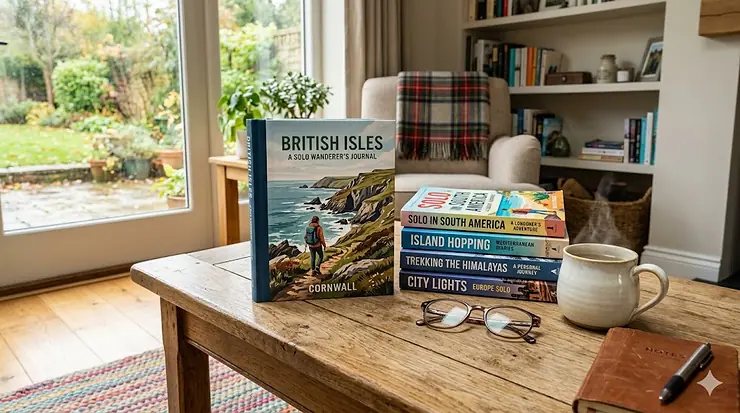
There’s something rather extraordinary about curling up with a travel memoir on a drizzly British evening, isn’t there? While the rain hammers against your window in Manchester or Edinburgh, you’re transported to sun-baked deserts, remote Himalayan villages, or bustling markets in Istanbul. Solo travel memoir books offer more than escapism—they’re blueprints for transformation, written by ordinary people who did the extraordinary.
In 2026, solo travel has become more than a trend; it’s a movement. According to recent travel industry reports, solo travellers now represent one of the fastest-growing segments in tourism, with British travellers increasingly seeking authentic, transformative experiences over package holidays. The UK’s Office for National Statistics has documented significant shifts in travel patterns post-pandemic, with solo holidays showing the strongest growth across all demographic groups. What sets memoirs apart from guidebooks is the raw honesty—the mistakes, the moments of terror, the unexpected kindness of strangers, and the profound self-discovery that happens when you’re completely alone in an unfamiliar place.
Whether you’re contemplating your first solo journey or you’re a seasoned lone traveller seeking inspiration, solo travel memoir books provide the courage, practical wisdom, and emotional preparation that no guidebook can offer. From Cheryl Strayed’s 1,100-mile trek along the Pacific Crest Trail to Robyn Davidson’s odyssey across the Australian outback with four camels, these narratives prove that the most meaningful journeys often begin with a single, terrifying decision to go it alone.
Quick Comparison: Top Solo Travel Memoir Books at a Glance
| Book Title | Author | Journey Type | Best For | Approximate Price Range (£) | Amazon UK Available |
|---|---|---|---|---|---|
| Wild | Cheryl Strayed | 1,100-mile PCT hike | Grief recovery, self-discovery | £8-£12 | ✅ Yes |
| Tracks | Robyn Davidson | 1,700-mile Australian desert | Extreme adventure, wilderness | £9-£14 | ✅ Yes |
| Eat, Pray, Love | Elizabeth Gilbert | Italy, India, Indonesia | Healing, pleasure, balance | £7-£11 | ✅ Yes |
| Full Tilt | Dervla Murphy | Ireland to India by bicycle | Pioneering spirit, cycling | £10-£15 | ✅ Yes |
| Lonely Planet Women Travel Solo | Various authors | Global destinations | Diverse perspectives, practical tips | £14-£18 | ✅ Yes |
| The Shooting Star | Shivya Nath | Seven years nomadic life | Young travellers, career change | £12-£16 | ✅ Yes (import) |
| Alone Time | Stephanie Rosenbloom | Paris, Istanbul, Florence, NYC | Solitude appreciation, urban travel | £11-£15 | ✅ Yes |
What This Tells Us: The table reveals that solo travel memoirs span extraordinary diversity—from multi-year nomadic journeys to focused urban explorations. Budget-conscious readers will find excellent options in the £7-£12 range, whilst those seeking contemporary perspectives might invest in newer releases around £14-£18. Notably, all titles are readily available on Amazon.co.uk with Prime delivery, making them accessible for British readers. The journey types vary dramatically, which means there’s genuinely something for everyone, whether you’re drawn to gruelling physical challenges or contemplative city wandering.
💬 Just one click — help others make better buying decisions too!😊
Top 7 Solo Travel Memoir Books: Expert Analysis
1. Wild: From Lost to Found on the Pacific Crest Trail by Cheryl Strayed
Cheryl Strayed’s Wild isn’t just a hiking memoir—it’s a masterclass in confronting your demons whilst navigating rattlesnakes, scorching deserts, and snowstorms with boots that are literally falling apart. At 26, reeling from her mother’s death, divorce, and drug addiction, Strayed embarked on a 1,100-mile solo hike despite having virtually no backpacking experience. What makes this book compelling for British readers is Strayed’s unflinching honesty about being spectacularly underprepared, which feels rather more relatable than superhuman tales of athletic prowess.
The narrative alternates between vivid trail descriptions—blistered feet, encounters with bears, the crushing weight of her oversized pack she nicknamed “Monster”—and flashbacks to the unravelling that led her to this desperate gamble. Unlike saccharine “find yourself” narratives, Wild acknowledges that healing is messy, non-linear, and often involves swearing at inanimate objects. British readers particularly appreciate Strayed’s dry humour amidst adversity; when she accidentally kicks her boot off a cliff early in the journey, her reaction is perfectly calibrated between despair and sardonic acceptance.
What the Amazon.co.uk reviews reveal is fascinating: UK readers praise the book’s raw authenticity, noting it’s “nothing like Eat, Pray, Love” (meant as high praise). Many mention reading it during their own difficult periods—job losses, bereavements, divorces—finding solace in Strayed’s proof that sometimes the only way through is to walk.
Key specifications:
- Length: 1,100 miles (approximately 1,770 kilometres) over three months
- Terrain: Mojave Desert through California and Oregon
- Experience level when she started: Absolute beginner
- Physical demands: Extreme—Strayed started overweight and under-trained
- Emotional depth: Profound grief processing, addiction recovery
Expert opinion: This memoir works for anyone who’s ever felt like their life has spectacularly derailed. It’s not a how-to guide for hiking (Strayed makes virtually every mistake possible), but rather a testament to resilience. For British readers contemplating solo travel but paralysed by “what if I’m not ready?”, Strayed’s answer is clear: you’re probably not ready, but go anyway. The book sold over 4 million copies globally and spawned a film adaptation with Reese Witherspoon, but the book retains grittier truths the cinema version glossed over.
✅ Pros:
- Brutally honest about mistakes and vulnerability
- Balances physical adventure with psychological depth
- Accessible writing style despite heavy themes
❌ Cons:
- Some readers find the flashback structure occasionally disjointed
- Limited practical hiking advice
Customer feedback: UK reviewers consistently mention being “hooked from the first page” and appreciating that it’s “raw and real, not your typical chick-lit.” Several note it made them cry (particularly the opening chapters about her mother) but also left them feeling capable of tackling their own challenges.
Price and value: In the £8-£12 range on Amazon.co.uk (paperback), this is exceptional value for a book that’s been described as “life-changing” by thousands of readers. Kindle versions often drop to around £5-£7. Given its 315-page length and re-readability, it’s one of the most cost-effective investments in travel inspiration you’ll make.
2. Tracks by Robyn Davidson
If Cheryl Strayed’s hike seems ambitious, Robyn Davidson’s 1977 journey makes it look like a weekend ramble. The Australian writer spent two years in Alice Springs learning to train wild camels before setting off across 1,700 miles (roughly 2,735 kilometres) of hostile desert with four camels and her dog. What’s particularly compelling about Tracks is Davidson’s unflinching examination of her own motivations—even she struggles to articulate why she needed to undertake this dangerous, seemingly pointless trek.
Written in the 1970s but remarkably contemporary in its themes, Tracks explores a young woman’s relationship with solitude, the Australian landscape, and indigenous Aboriginal cultures with whom she spent significant time. Davidson’s prose is anything but flowery—she’s blunt about shooting wild camels to protect her own animals, about the sexism she encountered in outback Australia, and about the invasive National Geographic photographer who funded her trip in exchange for documenting it.
For British readers, particularly those drawn to wilderness narratives, Tracks offers insights into a landscape utterly foreign to our green, damp island. Davidson’s descriptions of the desert’s stark beauty and brutal indifference create a vivid sense of place. The book doesn’t romanticise indigenous culture or her own journey; instead, it presents a complex, sometimes uncomfortable account of a privileged white woman traversing sacred Aboriginal land whilst grappling with the contradictions inherent in her position.
Key specifications:
- Distance: 1,700 miles (2,735 kilometres) over nine months
- Companions: Four camels (Dookie, Bub, Zeleika, Goliath) and dog Diggity
- Era: 1977 (pre-digital age, pre-GPS, pre-mobile phones)
- Climate challenges: Australian desert—extreme heat, sandstorms, water scarcity
- Cultural dimension: Extended time with Pitjantjatjara Aboriginal people
Expert commentary: What sets Tracks apart is Davidson’s refusal to present herself as heroic. She’s often unlikeable, acknowledging her own entitlement and mistakes. This honesty makes the book more trustworthy than polished narratives where everything works out. The 2013 film adaptation starring Mia Wasikowska introduced the story to new audiences, but the book remains darker and more philosophically rich. For British readers considering solo travel in challenging environments, Davidson provides a realistic template: thorough preparation (those two years learning camel handling), acceptance of failure and fear, and the understanding that not everything needs a tidy explanation.
✅ Pros:
- Brutally honest self-examination
- Rich descriptions of Australian landscape and Aboriginal culture
- Tackles difficult themes without easy answers
❌ Cons:
- Can be confronting (animal deaths, harsh self-criticism)
- Lacks chronological structure at times
UK customer insights: British reviewers consistently praise the “no-nonsense” writing and note it’s “nothing like Eat, Pray, Love” (again, high praise). Many mention reading it before visiting Australia, finding it provided cultural and geographical context that guidebooks couldn’t match.
Price and value: Around £9-£14 on Amazon.co.uk depending on edition. The 40th-anniversary edition includes a new postscript and colour photographs from the original journey, making it worth the slightly higher price point. This is a memoir you’ll return to, particularly the sections on solitude and the nature of journey.
3. Eat, Pray, Love by Elizabeth Gilbert
Right, let’s address the elephant in the room: Eat, Pray, Love has become something of a cultural punchline, hasn’t it? The 2010 Julia Roberts film didn’t help, smoothing over the book’s sharper edges into a rom-com template. But here’s the thing British readers often miss: Gilbert’s actual memoir is considerably more complex, self-aware, and honest than its reputation suggests.
Following a devastating divorce and depression, Gilbert spent a year travelling through Italy (eat), India (pray), and Indonesia (love), funded by a book advance. Yes, that privilege warrants acknowledgement—not everyone can globe-trot on a publisher’s dime. But Gilbert doesn’t hide this fact; she’s upfront about her advantages whilst also documenting genuine struggles with meditation, loneliness, and the terror of starting over at 34.
What works for British readers? The Italy section, unsurprisingly, which focuses on pleasure, language learning, and the radical act of allowing yourself joy without justification. Gilbert’s descriptions of Roman trattorias and her Italian lessons capture the sensual immersion that makes travel transformative. The India section—four months at an ashram—will resonate with anyone who’s attempted meditation and found their mind wandering to grocery lists. The Indonesia section, whilst the most romantic, also deals with practical questions about building a new life and risking vulnerability after trauma.
Key specifications:
- Duration: One year divided into three countries
- Locations: Italy (4 months), India (4 months), Indonesia (4 months)
- Travel style: Mix of structured (ashram) and exploratory (Italy, Bali)
- Age when travelling: 34
- Funding: Book advance from publisher
Expert perspective: Eat, Pray, Love succeeds as a memoir of rebuilding rather than pure travel literature. For British women (and men) emerging from divorce, career burnout, or identity crisis, it offers permission to prioritise self-care without guilt. Critics calling it “privileged” aren’t wrong, but that doesn’t negate the emotional authenticity of Gilbert’s journey. The book’s massive commercial success (over 12 million copies sold) reflects its resonance, particularly amongst midlife readers reassessing priorities.
For solo travellers, the memoir provides useful insights into managing loneliness, finding community on the road, and the reality that travel doesn’t magically solve problems—it creates space to address them. British readers appreciate Gilbert’s humour (she’s genuinely funny) and her willingness to mock her own earnestness.
✅ Pros:
- Accessible, engaging writing style
- Balances travel, spirituality, and romance without being saccharine
- Genuinely funny and self-deprecating
❌ Cons:
- Privilege (book advance, lack of real financial concern) can grate
- The “finding love” ending feels slightly Hollywood
UK reader feedback: Reviews on Amazon.co.uk are polarised—five stars or one star, rarely middle ground. Fans praise it as “uplifting and honest,” whilst detractors find it “self-indulgent.” Interestingly, readers who approach it as a memoir rather than a travel guide tend to enjoy it more.
Price and value: Typically £7-£11 for paperback on Amazon.co.uk, making it one of the more affordable options. The book’s 349 pages read quickly, and whilst it won’t teach you how to travel solo, it might convince you that it’s worth trying.
4. Full Tilt: Ireland to India with a Bicycle by Dervla Murphy
Before Instagram influencers made wanderlust a brand, there was Dervla Murphy—an Irish woman who, in 1963, at age 31, cycled from Ireland to India. On her tenth birthday, Murphy received a bicycle and an atlas and vowed to one day ride to India. Twenty-one years later, she did exactly that, armed with a pistol (which she used), minimal gear, and an extraordinary openness to strangers.
Full Tilt is based on the daily diary Murphy kept whilst riding through Yugoslavia, Iran, Afghanistan, Pakistan, and India. What makes this memoir exceptional for British readers is twofold: First, Murphy’s journey predates mass tourism, offering glimpses of cultures and countries that have since radically changed (particularly Afghanistan and Iran). Second, her writing style is decidedly unsentimental—she reports hunger, fear, and discomfort with the same matter-of-fact tone she uses to describe breathtaking mountain passes.
Murphy encounters wolves, crashes through ice, suffers dysentery, and sleeps in police stations, all whilst maintaining a wry humour about the absurdity of her situation. Her interactions with locals reveal both the kindness and suspicion a lone woman cyclist provoked in 1960s Asia. She’s particularly insightful about gender dynamics, noting how her foreign status and perceived eccentricity sometimes granted her freedom denied to local women, whilst also making her vulnerable to harassment.
Key specifications:
- Distance: Approximately 3,000 miles (4,828 kilometres) over seven months
- Bicycle: Armstrong Cadet men’s bicycle (named Rozinante)
- Notable equipment: .25 automatic pistol with four rounds (used twice)
- Era: 1963 (pre-mobile phones, pre-GPS, pre-internet)
- Route: Ireland through Europe, Turkey, Iran, Afghanistan, Pakistan to India
Expert analysis: For British readers, Murphy represents a particular breed of intrepid travel writing—thoroughly researched, physically demanding, culturally curious without being exploitative. Her subsequent books (she wrote 26 over 50 years) maintained this standard, but Full Tilt captures the audacity of her first major journey. Murphy was still travelling and writing in her 70s, providing inspiration for mature solo travellers who worry they’ve “missed their chance.”
What’s particularly relevant in 2026 is Murphy’s demonstration that meaningful travel predates social media, WiFi, and the entire infrastructure modern travellers take for granted. She navigated with paper maps, relied entirely on human interactions rather than translation apps, and couldn’t Google “is Afghanistan safe for solo female cyclists” (spoiler: it wasn’t, but she went anyway).
✅ Pros:
- Pioneering account of solo female cycle touring
- Unsentimental, honest writing
- Historical snapshot of countries now drastically changed
❌ Cons:
- Dated perspectives on some cultural observations (product of 1960s attitudes)
- Less focus on personal emotional journey than contemporary memoirs
British reader response: UK customers on Amazon.co.uk consistently praise Murphy as “a legend” and “fearless without being reckless.” Many mention reading the book before undertaking their own cycle tours, finding her practical approach (she carried minimal gear, relied on local hospitality) refreshingly different from modern ultra-light touring obsessives.
Price and value: Around £10-£15 on Amazon.co.uk for the most recent edition. At 200+ pages, it’s a relatively quick read, but one you’ll reference repeatedly for courage when planning your own adventures. Murphy’s diary format means you can dip in and out, making it ideal bedside reading.
5. Lonely Planet Women Travel Solo
Unlike the individual narratives above, this anthology collects 30 stories from diverse women who’ve travelled alone, offering a panoramic view of solo travel experiences. Edited by Lonely Planet and featuring contributors including travel writers, journalists, and everyday adventurers, the book provides both inspiration and practical wisdom across continents, cultures, and travel styles.
What sets this collection apart for British readers is its contemporary relevance (published in 2024) and diversity of perspectives. Contributors range from retirees exploring Europe by train to young women motorcycle touring Southeast Asia, from solo mothers travelling with children to women navigating solo travel whilst managing disabilities or chronic illness. Each chapter follows a similar structure: the journey, what the traveller wished she’d known, what she’ll never forget, how it changed her, and whether she’d do it again.
The anthology format is particularly valuable for readers still deciding whether solo travel appeals to them. Rather than committing to one author’s lengthy narrative, you sample multiple voices, destinations, and approaches. Some stories are adventurous (trekking in the Himalayas), others urban (discovering Istanbul’s hidden cafés), and many focus on the internal journey rather than external distance covered.
Key specifications:
- Number of stories: 30 distinct narratives
- Geographic coverage: Five continents, 50+ countries
- Contributor ages: 20s through 70s
- Travel styles: Budget backpacking, midrange touring, luxury solo travel
- Format: Short chapters (typically 10-15 pages each) with photographs
Expert commentary: The anthology excels at demystifying solo travel for nervous first-timers. Each story addresses common fears (loneliness, safety, logistics) whilst also showcasing the transformative potential. For British readers, several contributors are UK-based or visit Britain, providing familiar cultural touchstones alongside exotic destinations.
The “what I wish I’d known” sections are goldmines of practical advice, often more useful than guidebooks. Contributors discuss everything from managing solo dining anxiety to packing light, from dealing with catcalling to finding community on the road. The honesty about difficult moments—loneliness, fear, culture shock—makes the triumphs more credible.
✅ Pros:
- Diverse perspectives (age, background, destination, travel style)
- Practical advice integrated throughout
- Contemporary (2024 publication reflects current travel realities)
❌ Cons:
- Anthology format means some stories resonate more than others
- Less narrative depth than full-length memoirs
UK customer feedback: British reviewers on Amazon.co.uk particularly appreciate the “variety of voices” and note it’s “inspirational without being preachy.” Several mention gifting it to daughters, friends, or mothers contemplating their first solo trip. The beautiful photography and production quality (it’s Lonely Planet, after all) make it an attractive coffee table book as well as practical guide.
Price and value: Around £14-£18 on Amazon.co.uk, this is the pricier end of our selection, but you’re essentially getting 30 mini-memoirs plus photographs. It’s particularly valuable if you’re researching multiple potential destinations and want authentic accounts rather than guidebook prose. The book also works well as a dip-in resource when you need inspiration or encouragement.
6. The Shooting Star: A Girl, Her Backpack and the World by Shivya Nath
At 23, Shivya Nath quit her corporate job in India and spent seven years travelling solo, living nomadically across remote corners of the globe. The Shooting Star documents her transformation from cubicle worker to full-time travel blogger, covering everywhere from Himalayan villages to Amazon rainforests, Guatemala’s Mayan communities to Ecuador’s Andes.
What makes Nath’s memoir particularly relevant for British readers in 2026 is its focus on sustainable, meaningful travel rather than destination-ticking. She writes extensively about building relationships with local and indigenous communities, addressing climate impact, and practising responsible tourism—themes increasingly central to contemporary travel discourse. Nath doesn’t gloss over the challenges: getting mugged in Costa Rica, battling anxiety, managing the loneliness of perpetual motion, navigating the financial precarity of location-independent work.
The book’s structure moves thematically rather than chronologically, with chapters exploring fear, freedom, home, and belonging. This approach works well for readers less interested in itinerary details and more curious about the psychological and emotional dimensions of long-term solo travel. Nath’s descriptions of landscapes are vivid—you can practically feel the humidity of rainforests and taste the altitude of high-mountain trails—but she’s equally adept at capturing internal landscapes: the terror of abandoning security, the exhilaration of radical freedom, the complex process of defining home when you’re perpetually elsewhere.
Key specifications:
- Duration: Seven years (2011-2018) of continuous travel
- Countries visited: 50+
- Travel style: Budget to midrange, prioritising local experiences
- Age when started: 23
- Background: Corporate marketing role in India
Expert perspective: Nath represents a distinctly millennial approach to solo travel—digitally enabled, sustainability-conscious, and unafraid to interrogate privilege and cultural appropriation. Unlike Murphy or Davidson’s pre-internet journeys, Nath built a career whilst travelling, documenting experiences through her blog and later through climate-focused storytelling workshops.
For British readers contemplating the “quit your job and travel” fantasy, Nath provides a realistic template. She’s transparent about the financial planning required (she saved aggressively before leaving), the loneliness of digital nomadism, and the slow burnout of perpetual motion. Her eventual transition to a more settled life in India’s mountains (detailed in her second book, Rootless and Restless) offers a nuanced counterpoint to “travel forever” narratives.
✅ Pros:
- Contemporary perspective on sustainable, meaningful travel
- Honest about digital nomad realities (finances, loneliness, burnout)
- Rich descriptions of less-touristed destinations
❌ Cons:
- May feel too specific to millennial/Gen Z readers
- Limited availability on Amazon.co.uk (import from India)
British reader response: The Shooting Star has primarily sold in India, so UK reviews on Amazon.co.uk are limited. However, readers who’ve found it via import or Kindle praise the “refreshing honesty” and “beautiful writing” about places rarely featured in Western travel narratives.
Price and value: Approximately £12-£16 on Amazon.co.uk (import pricing), with Kindle versions sometimes cheaper. At 140+ pages, it’s a relatively quick read, though Nath’s prose rewards slow savoring. This is ideal for younger British readers (20s-30s) considering extended solo travel or career breaks, though the themes transcend age.
7. Alone Time: Four Seasons, Four Cities, and the Pleasures of Solitude by Stephanie Rosenbloom
Stephanie Rosenbloom, a New York Times travel columnist, took a rather different approach to solo travel literature. Instead of epic multi-year journeys or gruelling physical challenges, she spent one year taking four separate solo trips to pedestrian-friendly cities: Paris in spring, Istanbul in summer, Florence in autumn, and New York (her home) in winter. Alone Time is less adventure memoir, more philosophical exploration of solitude’s benefits.
What makes this book valuable for British readers, particularly those living in cities or contemplating urban solo travel, is Rosenbloom’s focus on mindfulness, sensory awareness, and the art of being alone in public spaces. She draws extensively on psychological and sociological research about solitude’s benefits, weaving academic insights with personal experiences of dining alone in Parisian bistros, wandering Istanbul’s markets, and discovering her own city with fresh eyes.
The book addresses the specific anxieties many people feel about solo dining, museum-going, and public solitude. Rosenbloom argues that alone time isn’t something to endure between social engagements but a rich experience in itself, particularly when travelling. Her writing is elegant and contemplative, quoting everyone from Virginia Woolf to contemporary psychologists studying happiness and creativity.
Key specifications:
- Cities: Paris, Istanbul, Florence, New York
- Season structure: One city per season across one year
- Travel style: Slow, contemplative, urban exploration
- Focus: Solitude’s psychological and creative benefits
- Research element: Integrates studies on happiness, creativity, and alone time
Expert analysis: Alone Time works brilliantly for British readers who find epic adventure memoirs intimidating or simply aren’t interested in physical challenges. Rosenbloom demonstrates that transformative solo travel doesn’t require months away or extreme environments—a long weekend in Paris, approached mindfully, can be equally profound.
The book excels at practical preparation for solo city breaks. Rosenbloom shares specific techniques: how to combat solo dining anxiety (bring a book, sit at the bar, observe rather than scroll), how to visit museums alone (go early, sit in front of one piece rather than rushing through galleries), how to find solitude even in crowded cities (early morning walks, tucked-away cafés, public gardens). For British readers planning weekend breaks to European cities, this is arguably more useful than traditional memoirs about months-long treks.
✅ Pros:
- Accessible for nervous first-time solo travellers
- Combines personal narrative with research on solitude’s benefits
- Focuses on achievable city breaks rather than epic journeys
❌ Cons:
- Less “dramatic” than adventure memoirs (might disappoint adrenaline seekers)
- US-centric references (though cities are universal)
UK customer insights: British reviewers on Amazon.co.uk praise the “elegant prose” and “thought-provoking” approach to solo travel. Several mention it changed their perception of eating alone, making them more confident about solo city breaks. The book’s emphasis on slow travel and mindfulness resonates with readers tired of frantic sightseeing.
Price and value: Around £11-£15 on Amazon.co.uk for paperback. At 272 pages, it’s a substantial read that works well for pre-trip inspiration or as a companion during solo city breaks. The book’s philosophy—savouring moments, examining details, remaining present—is as applicable to your home city as to far-flung destinations, making it a resource you’ll return to repeatedly.
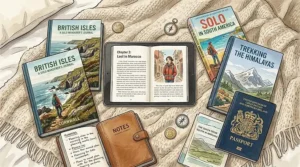
How to Choose Your Perfect Solo Travel Memoir in 2026
Selecting the right solo travel memoir isn’t about finding the “best” book—it’s about matching your current mindset, travel aspirations, and reading preferences to the appropriate narrative. Here’s a practical framework British readers can use:
Consider Your Primary Motivation for Reading:
If you’re seeking courage to overcome fear, Wild or How Not to Travel the World work best. Both authors started their journeys spectacularly underprepared, battling anxiety and self-doubt, making them relatable for readers paralysed by “what if?” questions. Strayed had never backpacked; Juliff had never eaten rice or ridden a bus. Their transformations prove that readiness is overrated.
If you’re drawn to extreme adventure and physical challenge, Tracks and Full Tilt showcase human endurance in hostile environments. Davidson’s desert crossing and Murphy’s cycling through war zones demonstrate what’s possible when determination outweighs common sense. British readers comfortable with discomfort will appreciate both authors’ refusal to romanticise hardship.
If you’re recovering from divorce, loss, or major life disruption, Eat, Pray, Love and Wild directly address rebuilding after trauma. Gilbert’s year abroad following divorce and depression, and Strayed’s grief-fuelled hike after her mother’s death, both model how travel can create space for healing—not as escape, but as active processing.
For younger readers (20s-30s) contemplating career changes or wondering whether to quit stable jobs for travel, The Shooting Star offers a contemporary template. Nath addresses digital nomadism’s realities (finances, loneliness, sustainability concerns) with unusual transparency, making her story useful rather than purely inspirational.
If you’re nervous about solo city breaks or simply prefer urban exploration to wilderness treks, Alone Time provides the perfect blueprint. Rosenbloom’s focus on Paris, Istanbul, Florence, and New York demonstrates that meaningful solo travel doesn’t require months abroad or extreme environments—a long weekend approached mindfully can be transformative.
For readers wanting diverse perspectives rather than committing to one author’s lengthy narrative, Lonely Planet Women Travel Solo anthology offers 30 voices across ages, backgrounds, and travel styles. It’s particularly valuable for readers still deciding whether solo travel appeals to them, providing multiple entry points.
Match Your Available Time:
Limited time readers should start with Eat, Pray, Love (349 pages, highly readable) or The Shooting Star (140 pages). Both move quickly and can be finished over a weekend, providing inspiration without overwhelming time commitment.
For deeper engagement, Wild (315 pages), Tracks (256 pages), or Alone Time (272 pages) offer more substantial reads that reward sustained attention. These work well for pre-trip preparation or holiday reading.
The Lonely Planet anthology (30 stories across 200+ pages) allows flexible dipping in and out, making it ideal for bedside reading or when you need quick inspiration without starting a new book.
Consider Your Risk Tolerance:
Higher risk tolerance? Murphy and Davidson’s accounts of cycling through Afghanistan or crossing Australian deserts with camels will resonate. Both authors embraced significant physical danger as part of their journeys.
Moderate risk tolerance? Strayed’s account of hiking the PCT acknowledges real dangers (bears, extreme weather, injury) whilst remaining within established trail infrastructure. Her mistakes feel survivable rather than life-threatening.
Lower risk tolerance? Rosenbloom and Gilbert’s narratives focus on emotional and psychological challenges rather than physical danger. Both stayed in established tourist infrastructure (hotels, guesthouses, ashrams) whilst exploring solo experiences.
Common Mistakes When Buying Solo Travel Memoirs
British readers often approach solo travel memoirs with unrealistic expectations or select books misaligned with their actual interests. Here are the most frequent pitfalls and how to avoid them:
Mistake 1: Confusing Memoirs with Guidebooks
Travel memoirs aren’t guidebooks, yet many buyers expect practical information—where to stay, what to pack, how to budget. Whilst memoirs like Alone Time and Lonely Planet Women Travel Solo include some practical advice, their primary value is inspiration and emotional preparation, not logistics.
Solution: If you want actionable advice, pair a memoir with an actual guidebook. Use the memoir for courage and perspective, the guidebook for hotels and transport. Don’t expect Wild to teach you how to hike the PCT—it teaches you why you might want to try, despite (or because of) being unprepared.
Mistake 2: Selecting Based on Destination Rather Than Journey Type
Many readers choose memoirs because they’re planning trips to similar destinations. “I’m going to India, so I’ll read Full Tilt.” This misses the point. Murphy’s 1963 cycling journey through Afghanistan and Pakistan bears virtually no resemblance to a 2026 holiday in Goa or Kerala.
Solution: Choose based on journey type and emotional arc, not destination. If you’re processing grief, Wild resonates whether or not you’re hiking. If you’re contemplating quitting your job for travel, The Shooting Star provides relevant insights regardless of destination.
Mistake 3: Avoiding Books with “Privileged” Authors
Gilbert’s book advance and Strayed’s advance from her publisher trigger valid critiques about privilege. But dismissing their experiences entirely means missing genuine insights about healing, loneliness, and transformation. Privilege affects opportunity but doesn’t negate emotional truth.
Solution: Acknowledge privilege whilst remaining open to universal themes. Gilbert and Strayed don’t hide their advantages, and their emotional journeys—recovering from divorce, processing grief—transcend financial circumstances. Read critically, recognising both what privilege enables and what remains relatable despite it.
Mistake 4: Expecting Perfect Role Models
Some readers approach solo travel memoirs seeking heroic figures whose every decision they can emulate. When authors reveal flaws—Davidson’s entitlement, Gilbert’s self-indulgence, Strayed’s recklessness—readers feel betrayed.
Solution: Embrace imperfect narrators. The most useful memoirs acknowledge mistakes and contradictions rather than presenting polished hero journeys. Davidson shooting camels whilst claiming to love them, Strayed hiking unprepared, Murphy’s dated cultural attitudes—these contradictions make the books more trustworthy, not less. You’re learning from real humans, not Instagram-filtered versions.
Mistake 5: Reading Only Recent Publications
Contemporary memoirs (2020s) offer current perspectives on sustainable travel, digital nomadism, and social media’s impact, but they often lack the raw urgency of earlier works. Murphy and Davidson, writing before solo female travel became commonplace, capture something fierce and pioneering that later authors, writing when solo travel is trendy, sometimes miss.
Solution: Mix contemporary and classic memoirs. Pair Nath’s Shooting Star (2018) with Murphy’s Full Tilt (1963) for perspective on how solo travel, and women’s freedom to undertake it, has evolved. This historical context enriches both reads.
Mistake 6: Ignoring British-Specific Considerations
Many solo travel memoirs are written by American authors (Strayed, Gilbert, Rosenbloom) with American assumptions about gap years, career breaks, and healthcare whilst travelling. British readers have different contexts: shorter statutory annual leave, NHS rather than insurance-based healthcare, stronger social safety nets but perhaps less entrepreneurial culture around digital nomadism.
Solution: Read with cultural translation. When American authors discuss health insurance anxieties, British readers might consider EHIC cards and NHS access upon return. When they reference career breaks, consider UK-specific factors like notice periods, redundancy rights, and the cultural perception of employment gaps. The emotional insights remain universal; the logistics require British adaptation.
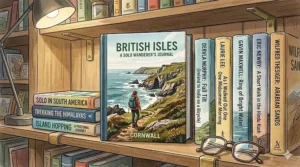
What Makes Solo Travel Different: Emotional vs Physical Preparation
One element that distinguishes exceptional solo travel memoirs from mediocre ones is their recognition that emotional preparation often matters more than physical preparation. Strayed could have trained harder for her hike, bought better boots, packed lighter—but the real challenge was confronting the grief and chaos that drove her to the trail in the first place. Davidson could have studied desert navigation more thoroughly, but her journey was fundamentally about solitude’s meaning, not camel management.
The Psychology of Solo Travel
Research cited in Rosenbloom’s Alone Time demonstrates that solitude, when chosen rather than imposed, enhances creativity, self-knowledge, and emotional regulation. Studies from University of Oxford’s Department of Experimental Psychology confirm that solo travellers report higher levels of transformative experience compared to group travellers, precisely because there’s no buffer between self and experience. The BBC’s travel section has extensively documented this phenomenon, featuring interviews with psychologists who study how solo travel impacts mental health and wellbeing. You can’t defer decisions to companions, blame others for mistakes, or distract yourself from discomfort through conversation.
This explains why seemingly modest solo journeys—Rosenbloom’s weekends in European cities—can feel as transformative as Davidson’s nine-month desert crossing. The absence of companions forces engagement with local culture, random conversations with strangers, and extended periods of self-reflection. For British readers accustomed to package holidays or group tours, this solo engagement represents a fundamental shift in how travel operates.
Managing Loneliness vs Embracing Solitude
Every memoir discussed addresses the loneliness-solitude distinction. Loneliness is unwanted isolation; solitude is chosen aloneness. Solo travel inevitably involves both. Murphy writes candidly about loneliness during illness in remote Afghan villages. Gilbert describes desperate loneliness during early ashram days despite being surrounded by people. The difference lies in framing: viewing alone time as opportunity rather than deprivation.
For British readers contemplating first solo trips, this distinction matters practically. You will experience loneliness, particularly during evening meals or returning to empty hotel rooms. But as Rosenbloom and Gilbert both demonstrate, loneliness often precedes breakthrough moments of connection—with strangers, with yourself, with place. The memoirs model strategies: bringing books to solo meals, establishing rituals (morning coffee at specific cafés), staying in hostels or guesthouses designed for solo travellers rather than isolated hotel rooms.
The Gender Dimension
Whilst solo travel challenges everyone, female solo travellers face specific considerations around safety, harassment, and social expectations. Tracks, Wild, Eat, Pray, Love, and the Lonely Planet anthology all address catcalling, sexual harassment, safety concerns, and the stereotype of the “damaged woman” travelling alone.
Murphy’s 1960s journey occurred when single women travelling alone were virtually unheard of, particularly in conservative Muslim countries. She navigated extreme sexism alongside genuine hospitality, often from women who couldn’t comprehend her freedom. Contemporary memoirs show progress—solo female travel is now common—but ongoing challenges remain. The Guardian’s travel section regularly publishes accounts from female solo travellers addressing safety concerns, cultural navigation, and the evolution of women’s travel freedom over the past six decades. Nath discusses sexual harassment in India; contributors to the Lonely Planet anthology address everything from drink-spiking attempts to patronising locals insisting they’re “too pretty to travel alone.”
For British women readers, these accounts provide both validation (your fears aren’t irrational) and perspective (millions of women successfully navigate solo travel despite these challenges). The memoirs model practical strategies: trusting gut instincts, establishing boundaries, dressing appropriately for cultural contexts, and recognising that fear doesn’t require paralysis.
Real-World Applications: From Reading to Doing
The ultimate test of solo travel memoirs isn’t how they inspire you whilst reading, but whether they translate into actual travel. Here’s how British readers can move from armchair to action:
Start Small: The Weekend Solo City Break
If Wild‘s 1,100-mile hike feels overwhelming, begin with Rosenbloom’s model: a weekend solo trip to Paris, Brussels, or Amsterdam via Eurostar from London. Pick one city, one hotel or guesthouse, and practice being alone in public. Follow Rosenbloom’s advice: eat at least one meal alone at a proper restaurant (not fast food), visit one museum or gallery and sit with a single work of art for 20 minutes, take an early morning walk before the city fully wakes.
British readers have extraordinary advantages for testing solo travel: Eurostar connects London to continental Europe in 2-3 hours, budget airlines serve dozens of European cities from regional airports, and the UK’s geographic position makes weekend breaks genuinely achievable. Use these advantages to build confidence before attempting longer journeys.
Create a Pre-Departure Reading List
Pair memoirs with practical preparation. If planning hiking, read Wild for inspiration but also study trail guides, gear reviews, and safety protocols. If contemplating long-term travel like Nath’s, read her memoir alongside books on sustainable travel, digital nomadism, and managing finances on the road.
Consider this suggested reading sequence:
- Inspiration memoir (e.g., Eat, Pray, Love, Alone Time) to confirm desire
- Practical guidebook for destination specifics
- Challenge memoir (e.g., Wild, Tracks) for realistic expectations about difficulties
- Anthology (Lonely Planet Women Travel Solo) for diverse perspectives
Address Practical British Concerns
American authors don’t always consider UK-specific factors. Here’s how British readers should adapt:
Annual Leave: Most British workers receive 28 days statutory annual leave plus bank holidays. This allows approximately 5 weeks of travel annually if you’re strategic. Consider combining annual leave with unpaid sabbaticals or career breaks for extended trips.
Healthcare: Unlike American travellers obsessed with health insurance, British travellers benefit from NHS coverage upon return and European Health Insurance Cards (EHIC/GHIC) for EU travel. The UK government’s travel advice portal provides comprehensive guidance on healthcare abroad, including which countries have reciprocal healthcare agreements with the UK. For non-EU destinations, budget travel insurance costs £30-£100 for single trips, making extended travel more financially feasible than American equivalents.
Budget Considerations: Most memoirs discuss costs in USD or local currencies. For British readers, current exchange rates (April 2026) favour GBP against many currencies, making destinations like Thailand, Indonesia, India, and much of Central/South America extraordinarily affordable. Conversely, Norway, Switzerland, and parts of North America are expensive. Research cost-of-living comparisons before destination selection.
Cultural Differences: British travel culture differs from American assumptions. We’re generally less comfortable with “making friends everywhere” spontaneity Americans celebrate, preferring reserve and distance. This isn’t wrong; it’s cultural. Don’t force American-style openness if it feels inauthentic. Solo travel works perfectly well for introverted Brits who prefer observing to constant interaction.
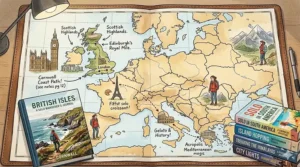
Frequently Asked Questions: Solo Travel Memoirs Demystified
❓ Are solo travel memoirs suitable for men or primarily for women?
❓ Can I read solo travel memoirs on Kindle or should I buy physical copies?
❓ How do I know which solo travel memoir matches my fitness level?
❓ Do solo travel memoirs available on Amazon.co.uk ship quickly to UK addresses?
❓ Are these memoirs appropriate for British teenagers considering gap years?
Conclusion: Your Journey Starts Here
The best solo travel memoir books aren’t just escapist reading—they’re blueprints for transformation, written by ordinary people who did extraordinary things. Whether you’re contemplating a weekend alone in Paris, a month-long Southeast Asian adventure, or leaving everything behind to cycle to India, these seven memoirs demonstrate that the hardest step isn’t the physical journey but the decision to go.
What unites Cheryl Strayed’s grief-fuelled hike, Robyn Davidson’s desert crossing, Elizabeth Gilbert’s year abroad, Dervla Murphy’s pioneering cycle tour, the diverse voices in Lonely Planet Women Travel Solo, Shivya Nath’s seven-year nomadic life, and Stephanie Rosenbloom’s meditative city breaks is a simple truth: solo travel transforms because it eliminates the buffer between you and experience. There’s no companion to defer to, no group to hide within, no schedule but your own. You’re alone with yourself, your fears, your capabilities, and the world’s infinite possibilities.
For British readers in 2026, solo travel has never been more accessible. Budget airlines connect UK airports to hundreds of destinations. Digital nomad visas facilitate extended stays. The travel infrastructure—hostels, guesthouses, co-working spaces—is explicitly designed for solo travellers. And these memoirs prove that you don’t need to be particularly brave, fit, wealthy, or experienced to begin. Strayed had never backpacked. Juliff had never ridden a bus. Murphy was 31 before her first major journey. Your age, fitness level, or past experience don’t determine readiness—your willingness to be uncomfortable does.
Start small if needed. Pick one memoir from this list, read it cover to cover, then book one solo weekend break. Perhaps a Friday-Sunday in Edinburgh if you’re in London, or Brussels via Eurostar. Practice eating alone, walking without purpose, sitting in parks or museums observing strangers. Notice how different travel feels when it’s entirely yours to shape. Then, if you’re ready, plan something bigger. That’s precisely what the authors of these memoirs did—they took one step, then another, discovering themselves in the process.
The memoirs on Amazon.co.uk are simply waiting for you to begin. Which will you choose?
Recommended for You
- 7 Best Travel Memoir Books That Inspire Wanderlust | UK 2026
- 7 Best Music Legend Biography Books UK 2026
- 7 Best Inspirational Memoir Books That’ll Change Your Life UK 2026
Disclaimer: This article contains affiliate links. As an Amazon Associate, I earn from qualifying purchases. If you purchase products through these links, we may earn a small commission at no additional cost to you.
✨ Found this helpful? Share it with your mates! 💬🤗
