In This Article
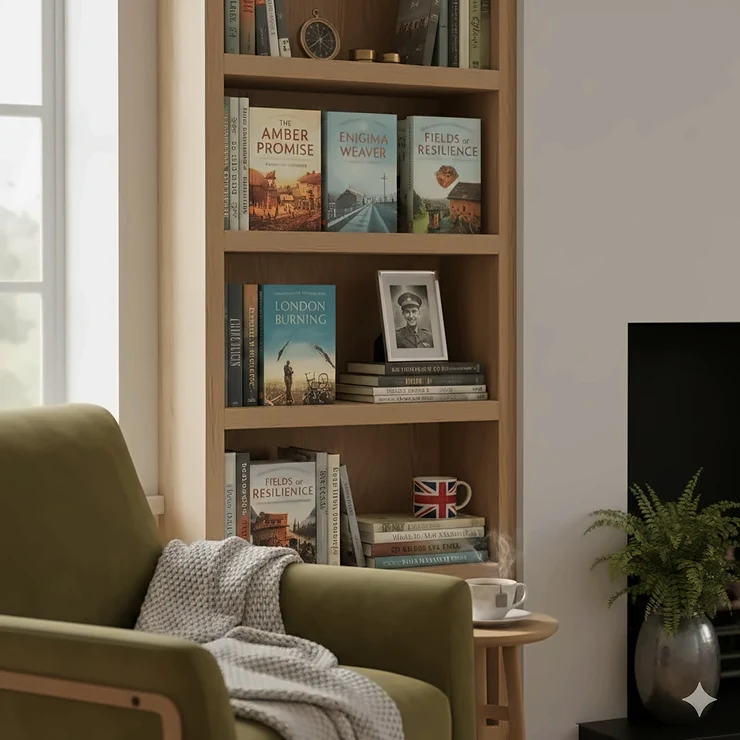
Have you ever felt transported to another era, your heart racing as bombs fall on war-torn streets whilst you sit safely in your living room? That’s the magic of WW2 historical fiction—it doesn’t just recount events; it breathes life into history, placing you shoulder-to-shoulder with ordinary people navigating extraordinary times.
I’ve spent countless hours exploring Second World War novels, and I’ll tell you something interesting: whilst documentaries give you facts, historical fiction gives you souls. These aren’t dry textbooks—they’re visceral experiences that make you understand what it truly meant to hide a Jewish family in your basement, to work as a concentration camp tattooist, or to resist occupation whilst your whole world crumbles around you.
What is WW2 historical fiction? It’s a literary genre that weaves factual historical events from the Second World War (1939-1945) with fictional characters and narratives, creating emotionally resonant stories that illuminate the human experience during one of history’s darkest periods.
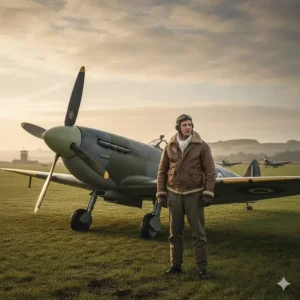
The best World War 2 novels to buy don’t simply tell you about rationing or air raids—they let you feel the hunger pangs, hear the sirens wailing, smell the smoke drifting through shattered windows. Whether you’re searching for British WW2 books fiction set on the home front, evacuation stories fiction featuring children torn from families, or Blitz fiction novels capturing London’s resilience, this curated selection represents the finest second world war stories UK readers can discover in 2026.
Quick Comparison Table
| Book Title | Author | Setting | Price (£) | Rating | Best For |
|---|---|---|---|---|---|
| The Nightingale | Kristin Hannah | Occupied France | 4.99-9.99 | 4.6/5 | Resistance stories |
| All the Light We Cannot See | Anthony Doerr | France & Germany | 6.99-11.99 | 4.5/5 | Literary fiction fans |
| The Tattooist of Auschwitz | Heather Morris | Auschwitz-Birkenau | 7.99-12.99 | 4.7/5 | Holocaust survival |
| The Book Thief | Markus Zusak | Nazi Germany | 6.99-10.99 | 4.8/5 | Unique narration |
| Lilac Girls | Martha Hall Kelly | NY, Poland, Germany | 8.99-13.99 | 4.5/5 | Women’s history |
💬 Just one click – help others make better buying decisions too!😊
Top 7 WW2 Historical Fiction Books: Expert Analysis
1. The Nightingale by Kristin Hannah
Price: £4.99-£9.99 | Format: Paperback, Kindle, Hardback
When people ask me which book changed how I understand women’s roles in wartime France, I immediately point to The Nightingale. Kristin Hannah crafts a devastating tale of two sisters—Vianne and Isabelle—whose lives diverge dramatically when German forces occupy their homeland.
Key Features:
- 560 pages of expertly researched French Resistance history
- Dual narrative perspective switching between sisters
- Set in Loire Valley and Paris (1939-1945)
What Makes It Stand Out: Vianne represents the quiet courage of survival: caring for her daughter whilst a German officer commandeers her home. Isabelle embodies active resistance, smuggling Allied pilots across the Pyrenees at tremendous personal risk. Hannah doesn’t romanticise their choices—she shows the impossible dilemmas ordinary people faced when morality collided with survival.
UK readers particularly appreciate the vivid descriptions of occupied French villages and the meticulous historical accuracy regarding rationing, curfews, and the constant fear permeating daily life.
Customer Feedback: British buyers on Amazon.co.uk consistently praise the emotional depth and historical authenticity. One reviewer noted how the book “made me appreciate my grandmother’s wartime stories in an entirely new light,” whilst another mentioned reading it twice because “the first time I was too busy crying to appreciate the beautiful prose.”
✅ Pros:
- Thoroughly researched historical detail
- Powerful female protagonists showing different forms of courage
- Emotionally resonant without being manipulative
❌ Cons:
- Some readers find the ending predictable
- Intense emotional content may be overwhelming
Availability: Widely available on Amazon.co.uk with free delivery for Prime members
2. All the Light We Cannot See by Anthony Doerr
Price: £6.99-£11.99 | Format: Paperback, Hardback, Kindle
This Pulitzer Prize-winning masterpiece proves that literary excellence and accessibility aren’t mutually exclusive. Anthony Doerr interweaves two seemingly disconnected lives: Marie-Laure, a blind French girl fleeing Paris with a priceless museum jewel, and Werner, a German orphan whose radio engineering talent propels him into the Hitler Youth and eventually the Wehrmacht.
Specifications:
- 544 pages of lyrical prose
- Dual timeline structure alternating between characters
- Climax set during the Allied bombing of Saint-Malo
Why It’s Extraordinary: Doerr’s sentences shimmer with poetic beauty—unusual for wartime fiction. He describes radio waves, museum artefacts, and French coastal towns with such precision that you can practically taste the salt air. The book asks profound questions about moral culpability: Is Werner responsible for his actions when indoctrination began in childhood? What does resistance look like when you’re powerless?
What British Readers Say: UK Amazon reviews frequently mention the book’s accessibility despite its literary pedigree. “Not pretentious despite winning every award imaginable,” one reader observed. Several mentioned reading it for book clubs and finding it sparked fascinating discussions about fate, technology, and human connection.
✅ Pros:
- Exquisitely beautiful prose that never feels overdone
- Explores lesser-known aspects of WW2 (radio detection units)
- Now a Netflix series for visual learners
❌ Cons:
- Slow pacing frustrates readers wanting faster action
- Some find the coincidental ending unsatisfying
UK Delivery: Standard delivery across mainland UK; available in multiple formats
3. The Tattooist of Auschwitz by Heather Morris
Price: £7.99-£12.99 | Format: Paperback, Kindle, Audiobook
Based on interviews with Holocaust survivor Lale Sokolov, this book documents an extraordinary love story amidst unthinkable horror. Lale’s position as the camp tattooist—literally marking fellow prisoners with numbers—granted him privileges he used to help others survive.
Key Details:
- 262 pages of accessible, fast-paced narrative
- Based on true events and real people
- Now adapted as a major Sky TV series
The Real Impact: What makes The Tattooist of Auschwitz so powerful isn’t just the horrors depicted—many Holocaust books do that. It’s the glimpses of humanity: Lale trading jewels for bread, falling in love with Gita whilst tattooing her arm, making impossible moral choices daily. Morris doesn’t shy away from Lale’s morally grey position but instead asks us to consider what we might do in such circumstances.
British Customer Reviews: UK buyers particularly value the book’s accessibility for younger readers (age 14+) and those new to Holocaust literature. “My teenage daughter read it for her GCSE history project and it sparked conversations we’d never had,” one parent shared. Others praise its balance between historical horror and human hope.
✅ Pros:
- Thoroughly fact-checked against documentary evidence
- Shorter length makes it accessible for reluctant readers
- Ultimately life-affirming despite dark subject matter
❌ Cons:
- Some historians have questioned specific details
- Can feel simplified compared to more literary Holocaust fiction
Stock Status: Consistently available on Amazon.co.uk; often discounted
4. The Book Thief by Markus Zusak
Price: £6.99-£10.99 | Format: Paperback, Kindle, Hardback
Here’s something you don’t see often: a WW2 novel narrated by Death itself. Zusak’s audacious narrative choice transforms what could have been another coming-of-age wartime story into something genuinely innovative. We follow Liesel Meminger, a foster child in Nazi Germany who steals books and shares them during air raids.
Specifications:
- 584 pages with unique narrative style
- Set in Himmel Street, fictional German town
- Young adult crossover appeal
Why It Endures: Since publication in 2005, The Book Thief has sold over 16 million copies worldwide—and for good reason. Death’s narration is simultaneously detached and deeply compassionate, offering insights impossible from human perspective. The book explores how ordinary Germans navigated Nazi rule: some actively resisting, others complying out of fear, many somewhere uncomfortably in between.
Liesel’s foster father Hans hiding Max (a young Jewish man) in their basement demonstrates quiet heroism, whilst the Mayor’s wife’s silent gift of books shows resistance taking unexpected forms.
UK Reader Feedback: British Amazon reviews frequently praise Zusak’s distinctive style. “I thought Death as narrator would be gimmicky, but it’s actually profound,” one reader noted. Secondary school teachers often mention using it for GCSE English Literature, finding students engage more readily than with traditional war novels.
✅ Pros:
- Unique narrative voice that’s both accessible and literary
- Explores the German civilian experience rarely depicted
- Beautiful prose despite heavy subject matter
❌ Cons:
- Death revealing outcomes beforehand ruins suspense for some
- Pacing drags in middle section
Formats Available: All major formats available on Amazon.co.uk including large print edition
5. Lilac Girls by Martha Hall Kelly
Price: £8.99-£13.99 | Format: Paperback, Kindle, Audiobook
Based on the true story of Caroline Ferriday and the Ravensbrück concentration camp “Rabbits” (women subjected to medical experiments), this triple-perspective narrative demonstrates fiction’s power to preserve history.
Key Features:
- 496 pages following three women across continents
- Perspectives from American, Polish, and German women
- First in Woolsey-Ferriday series
The Three-Part Structure: Caroline Ferriday works at the French consulate in New York, eventually dedicating herself to helping Ravensbrück survivors. Kasia Kuzmerick starts as a Polish teenager but becomes a courier for the resistance before capture. Dr Herta Oberheuser sees a medical posting as career advancement, only to become complicit in war crimes. This trifecta shows WW2’s complexity—perpetrators, victims, and rescuers existing simultaneously.
British Buyer Reviews: UK readers on Amazon.co.uk consistently mention being unaware of the Ravensbrück story before this book. “I’d read endless books about male POW camps but knew nothing about the women’s camps,” one reviewer admitted. Many praise Kelly’s balanced approach to difficult material—never sensationalising but never minimising suffering either.
✅ Pros:
- Illuminates lesser-known WW2 history
- Strong female characters across moral spectrum
- Extensively researched with author’s notes
❌ Cons:
- Some readers find switching between three perspectives jarring
- Occasionally feels too neat in tying storylines together
Delivery: Next-day delivery available through Amazon Prime UK
6. Code Name Verity by Elizabeth Wein
Price: £6.99-£8.99 | Format: Paperback, Kindle
Young adult fiction rarely tackles WW2 with such sophistication, but Code Name Verity transcends genre boundaries. Two young women—a pilot and a spy—forge an unlikely friendship whilst serving in Britain’s war effort. When one is captured by the Gestapo, their bond faces the ultimate test.
Specifications:
- 343 pages with unreliable narrator technique
- Set in occupied France and Britain
- Multiple literary awards including Michael L. Printz Honor
What Sets It Apart: Wein’s narrative structure is deliberately deceptive—the captured spy tells her story under interrogation, but readers must determine what’s truth, what’s misdirection, and what’s outright lies designed to protect others. It’s intellectually demanding in the best way, rewarding careful readers who track details across seemingly disparate sections.
UK Customer Insights: British Amazon reviewers frequently mention being surprised by the book’s sophistication despite its YA classification. “Don’t let ‘young adult’ fool you—this is brilliant literary fiction that just happens to feature younger characters,” one noted. Teachers recommend it for A-level students exploring unreliable narration.
✅ Pros:
- Intellectually sophisticated narrative structure
- Accurate depictions of women’s wartime service
- Genuine emotional payoff from careful reading
❌ Cons:
- Confusing if you’re not paying close attention
- Sad ending may disappoint readers wanting uplift
Stock: Readily available on Amazon.co.uk
7. Suite Française by Irène Némirovsky
Price: £7.99-£12.99 | Format: Paperback, Kindle, Hardback
This one’s genuinely unique: Suite Française was written during the German occupation of France by a Jewish author who would die at Auschwitz before completing it. Discovered decades later, it offers an unfiltered contemporary perspective on events as they unfolded.
Key Details:
- 400+ pages (incomplete manuscript)
- Written 1940-1942, published 2004
- Prix Renaudot winner
Historical Significance: Unlike retrospective fiction written with hindsight, Némirovsky captured the chaos, confusion, and moral ambiguity of occupation as it happened. Her prose doesn’t carry the weight of knowing how everything turned out—there’s no foreshadowing of Holocaust scope because she couldn’t know her own fate. This immediacy makes it extraordinarily powerful.
The two completed sections—”Storm in June” depicting Parisians fleeing the German advance, and “Dolce” exploring life under occupation—demonstrate a novelist at the height of her powers.
British Reader Responses: UK buyers consistently mention the devastating context making the reading experience profound. “Knowing she wrote this whilst living the nightmare, knowing her fate, makes every sentence resonate differently,” one Amazon review observed. Several readers noted it permanently changed how they understood the occupation.
✅ Pros:
- Unprecedented historical authenticity from contemporary witness
- Beautifully observed human behaviour under pressure
- Appendices include Némirovsky’s notes for planned sections
❌ Cons:
- Unfinished manuscript frustrates some readers
- Requires emotional resilience given author’s fate
- Darker tone than many historical fiction readers expect
Availability: Available in various editions on Amazon.co.uk
Understanding WW2 Historical Fiction: A Genre Overview
The popularity of World War 2 novels to buy hasn’t waned since the conflict ended in 1945—if anything, it’s intensified. According to Imperial War Museums, over 60 million people died during WW2, making it history’s deadliest conflict. Fiction helps us comprehend such staggering statistics by translating numbers into individual human stories.
Why British Readers Love WW2 Fiction
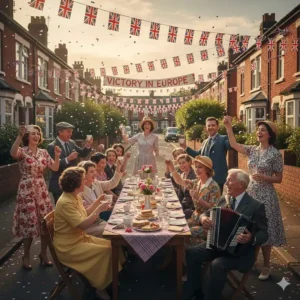
Britain’s unique wartime experience—bombed nightly yet never invaded, rationing for a decade, millions mobilised—creates particular resonance for UK readers. British WW2 books fiction often focuses on the “home front”: evacuation stories fiction following children sent to countryside safety, Blitz fiction novels depicting London’s resilience, and narratives exploring how ordinary civilians maintained life amidst extraordinary danger.
The genre’s enduring appeal stems from several factors:
Historical Connection: Many British readers have grandparents or great-grandparents who lived through WW2, making these stories personally meaningful rather than abstract history. Reading home front historical fiction creates bridges between generations, helping modern readers understand formative experiences that shaped their families.
Moral Clarity: In an age of ambiguous conflicts, WW2 represents what many perceive as a genuinely necessary war against fascism—though the best fiction complicates this simplification by exploring grey areas.
Human Resilience: These stories demonstrate ordinary people’s capacity for extraordinary courage, sacrifice, and kindness amidst horror—themes that resonate regardless of era.
How to Choose the Best WW2 Historical Fiction
Not all second world war stories UK are created equal. Here’s how to select books that’ll genuinely move you rather than gathering dust on your shelf:
1. Consider Your Emotional Capacity Holocaust-focused books like The Tattooist of Auschwitz require different emotional reserves than home front stories. Don’t feel guilty choosing lighter fare if you’re dealing with personal challenges—reading should enrich, not devastate.
2. Research Historical Accuracy Check author’s notes and bibliographies. The best writers, like Anthony Doerr, spend years researching. Look for books citing archival sources, survivor interviews, or academic consultations.
3. Decide on Narrative Style Do you prefer traditional third-person narration (Lilac Girls), experimental techniques (The Book Thief‘s Death narrator), or unreliable narrators (Code Name Verity)? Your enjoyment depends partly on matching style preferences.
4. Explore Different Perspectives Don’t limit yourself to Allied viewpoints. Books exploring civilian German experiences (like The Book Thief) or collaborators alongside resisters (Suite Française) offer fuller historical understanding.
5. Read Reviews from British Buyers American and British experiences of WW2 differed significantly. UK Amazon reviews often highlight aspects particularly resonant for British readers that overseas reviewers might miss.
6. Check Reading Level Some books (The Book Thief, Code Name Verity) work beautifully for teenagers and adults alike. Others require more literary sophistication. Publishers’ age recommendations aren’t always accurate.
7. Consider Series vs Standalones Books like The Tattooist of Auschwitz have sequels (Cilka’s Journey). Decide whether you want self-contained stories or potential for extended engagement with characters.
British Home Front vs European Experiences
Second world war stories UK typically fall into two broad categories: British home front experiences and European occupation/combat narratives. Understanding this distinction helps match books to interests.
British Home Front Characteristics
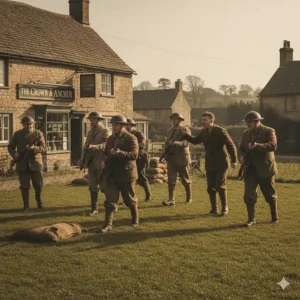
Evacuation stories fiction follow children relocated from cities to countryside—a uniquely British experience affecting over three million youngsters. These narratives explore class tensions (working-class city children placed with middle-class rural families), homesickness, and resilience.
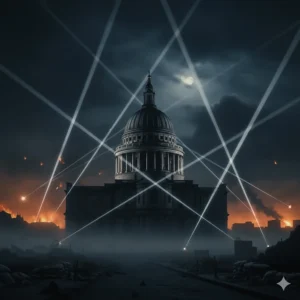
Blitz fiction novels capture London’s nightly bombardment, depicting Anderson shelters, tube station sleeping, firefighting, and maintaining morale whilst your city burns. Michelle Magorian’s Goodnight Mister Tom (though children’s fiction) brilliantly depicts evacuation, whilst Connie Willis’s Blackout/All Clear time-travels modern historians into the Blitz.
Home front themes include rationing creativity, women entering traditionally male work, land girls farming whilst men fought, and the peculiar normalcy of extraordinary circumstances—children playing amidst rubble, weddings held during air raids.
European Occupation and Combat
Books like The Nightingale and All the Light We Cannot See explore occupied territory’s different moral landscape. The British Library’s World War Two collections document how occupation forced impossible choices: collaborate and survive, resist and risk family, or maintain uncomfortable middle ground.
These narratives often involve:
- Active resistance movements
- Collaboration’s moral complexity
- Jewish persecution and hiding
- Concentration camps
- Civilian casualties from both Allied and Axis forces
✨ Don’t Miss These Exclusive Deals!
🔍 Take your understanding of WW2 to the next level with these carefully selected historical fiction books. Click on any highlighted title above to check current pricing and availability on Amazon.co.uk. These powerful stories will help you connect with history in ways documentaries never could!
The Role of Women in WW2 Fiction
Traditional war narratives focused on combat—predominantly male experiences. Modern WW2 historical fiction increasingly centers women’s often-overlooked contributions, with British WW2 books fiction leading this shift.
Beyond the Battlefield
Women’s wartime roles extended far beyond nursing stereotypes:
Resistance Fighters: Books like The Nightingale document women smuggling Allied pilots, gathering intelligence, and sabotaging Nazi operations. The Special Operations Executive (SOE), a real British organisation, trained women as spies and saboteurs—several died under torture without betraying networks.
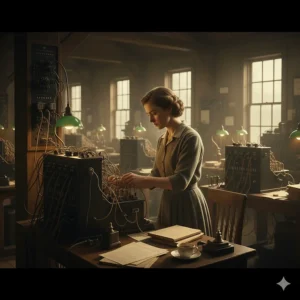
Code Breakers: Bletchley Park employed thousands of women deciphering enemy communications. Kate Quinn’s The Rose Code explores three fictional female codebreakers, though based on real women’s experiences.
Factory Workers: “Rosie the Riveter” represents American women in manufacturing, but British women similarly kept munitions factories, shipyards, and aircraft assembly lines operating whilst men fought.
Home Front Maintenance: Managing households during rationing, protecting children during bombing, maintaining morale—these “ordinary” tasks required extraordinary resourcefulness documented in home front historical fiction.
Evolving Historical Consciousness
According to the National Archives, women constituted nearly half of Britain’s wartime workforce by 1943. Fiction highlighting their contributions corrects historical record bias toward combat experiences, helping readers understand war’s totality—destruction and death, certainly, but also daily survival requiring different forms of courage.
Historical Accuracy vs Emotional Truth
The best WW2 historical fiction balances factual accuracy with emotional resonance. Pure history textbooks provide facts; novels provide understanding.
When Fiction Enhances Understanding
The Book Thief‘s Death narrator is obviously fantastical, yet Zusak’s meticulous research into 1940s Munich daily life makes Liesel’s experiences authentic. The fictional frame allows truths impossible in straightforward historical account—how does an ordinary German child process Nazi propaganda whilst harbouring Jewish refugee?
Similarly, All the Light We Cannot See fictionalises two people who likely never existed, yet their intersecting paths illuminate genuine historical realities: blind French girls did flee Paris; German boys were indoctrinated into Hitler Youth; radio technology did aid Allied victories.
The Controversy Around Fictionalising Trauma
The Tattooist of Auschwitz faced criticism from historians noting Lale Sokolov’s testimony contained inaccuracies—memory unreliable after decades, trauma complicating recollection. Should fiction correct historical subjects’ misremembered details, or honour their lived experience?
Most readers and authors have landed on middle ground: clearly label fiction as fiction (not “true story”), but research thoroughly to ensure invented elements don’t contradict established facts. Author’s notes help readers distinguish documented history from imaginative embellishment.
Why Emotional Truth Matters
Facts tell us six million Jewish people died in the Holocaust. Fiction helps us comprehend what that statistic means—shows us Lale tattooing numbers on Gita’s arm, Marie-Laure clutching her father’s model city whilst bombs fall, Liesel sharing stolen books in basements as sirens wail.
As the Holocaust Educational Trust emphasises, survivor testimonies and historical fiction serve complementary roles in education—one documents what happened, the other helps us feel why it matters.
Reading for Different Age Groups
Not all second world war stories UK suit every age. Here’s guidance for selecting appropriate books:
Young Readers (12-14)
- The Book Thief (challenging but rewarding)
- Code Name Verity (sophisticated themes, age-appropriate)
- Michelle Magorian’s Goodnight Mister Tom (younger but still powerful)
Older Teens (15-17)
- The Nightingale (some violence, heavy themes)
- All the Light We Cannot See (complex but accessible)
- Elizabeth Wein’s Rose Under Fire (sequel to Code Name Verity)
Adults
- The Tattooist of Auschwitz (Holocaust content)
- Lilac Girls (medical experimentation descriptions)
- Suite Française (requires emotional maturity)
Parent/Teacher Note: Age recommendations are guidelines, not rules. Mature 13-year-olds might handle books suggested for older readers, whilst some adults prefer avoiding graphic Holocaust depictions. Consider individual sensitivity and current circumstances.
The Impact of Television and Film Adaptations
Many top World War 2 novels to buy have been adapted for screen, creating interesting feedback loop—adaptations drive book sales, whilst books provide depth screens can’t match.
Recent Major Adaptations
All the Light We Cannot See (Netflix, 2023): The four-part limited series introduced Doerr’s novel to viewers who might never have picked up the book. UK Amazon sales spiked following release, with many reviewers noting they watched first then read for deeper characterisation.
The Tattooist of Auschwitz (Sky TV, 2024-2025): Harvey Keitel and Melanie Lynskey starred in this major series. British viewers particularly appreciated seeing Lale and Gita’s post-war life in Australia, material partially covered in Morris’s sequel Cilka’s Journey.
The Nightingale (Forthcoming): Dakota and Elle Fanning will portray the sisters in this highly anticipated adaptation. Pre-orders for the book have already increased on Amazon.co.uk as marketing begins.
Books vs Adaptations
Whilst films compress narratives and simplify complexity, books offer internal monologues, historical context, and time for reflection impossible in visual media. Most readers recommend experiencing both—screen adaptation as introduction, book for fuller understanding.
FAQ
❓ What are the most popular WW2 historical fiction books in the UK in 2026?
❓ Are WW2 historical fiction books suitable for teenagers?
❓ How can I tell if a WW2 novel is historically accurate?
❓ What's the difference between British and American WW2 fiction?
❓ Where can I buy WW2 historical fiction books in the UK?
Conclusion
The enduring power of WW2 historical fiction lies not in glorifying war but in illuminating human complexity during humanity’s darkest chapter. These seven books—from The Nightingale‘s French resistance to The Book Thief‘s German childhood, The Tattooist of Auschwitz‘s concentration camp love story to All the Light We Cannot See‘s blind girl and orphaned soldier—demonstrate fiction’s unique capacity to make history visceral, personal, and unforgettable.
Whether you’re drawn to British WW2 books fiction exploring evacuation stories fiction and Blitz fiction novels, or prefer second world war stories UK from European perspectives, the titles reviewed here represent the finest home front historical fiction currently available. Each book honours real people’s experiences whilst crafting narratives that resonate decades later.
As we navigate 2026, with WW2 veterans nearly gone and living memory fading, these novels serve crucial purpose: preserving not just what happened, but what it felt like. They’re bridges between generations, reminders of courage and resilience, warnings against repeating history’s worst mistakes.
Start with whichever book calls to you most strongly—perhaps The Nightingale if you want powerful female characters, The Book Thief for literary innovation, or The Tattooist of Auschwitz for accessible introduction to Holocaust narrative. Your reading journey through WW2 historical fiction won’t just educate; it’ll transform your understanding of courage, sacrifice, and what ordinary people achieve when circumstances demand extraordinary responses.
These books are available on Amazon.co.uk with prices ranging from £4.99 to £13.99—a small investment for stories that’ll stay with you for life. The best World War 2 novels to buy aren’t merely entertainment; they’re time machines, empathy builders, and historical educators wrapped in compelling narratives you won’t soon forget.
Recommended for You
- 7 Best Romantic Comedy Books UK 2026: Top Romcom Novels
- 7 Best Regency Romance Books UK 2026
- 7 Best Booker Prize Winners Collection 2026 UK
Disclaimer: This article contains affiliate links. If you purchase products through these links, we may earn a small commission at no additional cost to you. Prices shown are approximate and may vary.
✨ Found this helpful? Share it with your mates! 💬🤗
