In This Article
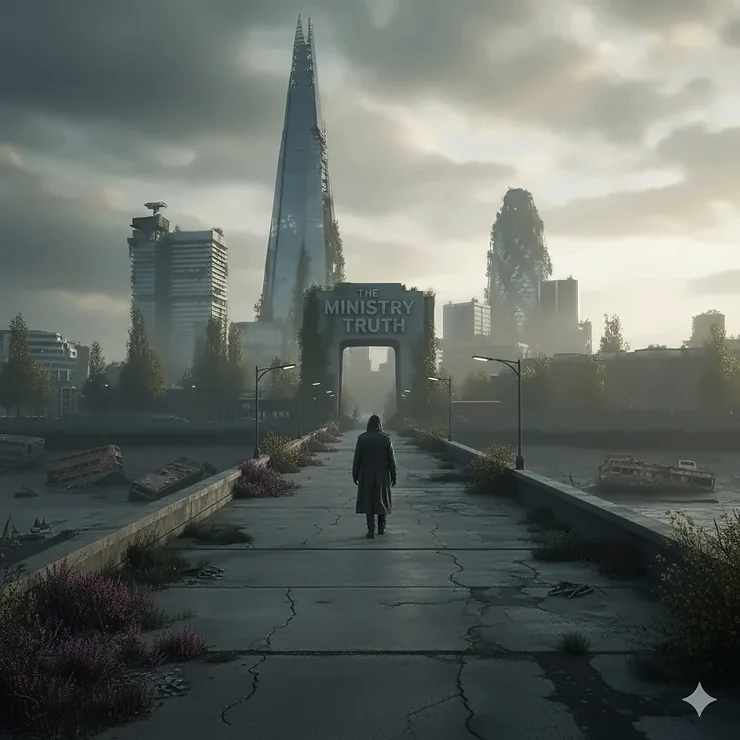
What is dystopian fiction? It’s imaginative literature depicting oppressive societal structures, totalitarian regimes, and post-apocalyptic worlds that serve as cautionary tales about humanity’s future. In 2026, with ongoing global challenges ranging from climate concerns to surveillance technologies, dystopian narratives resonate with British readers more powerfully than ever before.
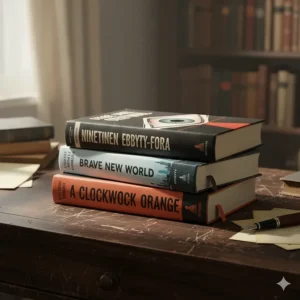
The UK has always had a profound relationship with dystopian literature, from Orwell’s chilling vision of Big Brother to Atwood’s feminist nightmare. According to recent studies from UK universities, sales of dystopian novels surge during periods of social uncertainty, reflecting our collective anxiety about where society might be heading. These novels don’t just entertain—they challenge us to examine power structures, question authority, and imagine alternative futures.
Whether you’re seeking best dystopian series to binge-read or standalone totalitarian regime novels that’ll keep you awake at night, this comprehensive guide covers everything available on Amazon.co.uk. We’ve researched pricing in GBP, analysed customer reviews from UK buyers, and identified the must-read survival dystopia books for 2026.
Quick Comparison Table
| Book Title | Author | Publication Year | Price Range (GBP) | Key Theme | Best For |
|---|---|---|---|---|---|
| 1984 | George Orwell | 1949 | £5.99-£12.99 | Totalitarian surveillance | Classic dystopia fans |
| The Handmaid’s Tale | Margaret Atwood | 1985 | £6.99-£14.99 | Feminist dystopia | Social commentary readers |
| Brave New World | Aldous Huxley | 1932 | £5.99-£15.99 | Technological control | Philosophy enthusiasts |
| Station Eleven | Emily St. John Mandel | 2014 | £7.99-£16.99 | Post-pandemic survival | Contemporary dystopia |
| Red Rising | Pierce Brown | 2014 | £8.99-£18.99 | Class warfare on Mars | Action-packed series |
| The Hunger Games | Suzanne Collins | 2008 | £6.99-£13.99 | Survival competition | YA dystopia |
| Never Let Me Go | Kazuo Ishiguro | 2005 | £7.99-£14.99 | Cloning ethics | Literary dystopia |
💬 Just one click – help others make better buying decisions too!😊
Top 7 Dystopian Fiction Books: Expert Analysis
1. 1984 by George Orwell
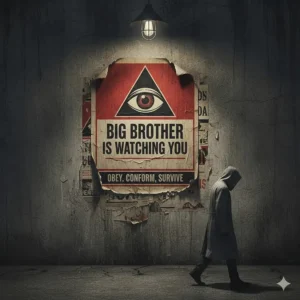
When we talk about dystopian fiction, Orwell’s masterpiece remains the gold standard. Published in 1949, this totalitarian nightmare feels disturbingly relevant in our age of digital surveillance and “alternative facts.” The story follows Winston Smith in Oceania, where Big Brother watches everything and the Thought Police punish anyone daring to think independently.
Key Specifications:
- Format: Available in paperback, hardcover, and Kindle editions
- Page Count: Approximately 328 pages
- Reading Level: Suitable for ages 15+
Price Range: £5.99-£12.99 depending on edition
UK Customer Feedback: British readers consistently praise the novel’s prescience, noting its relevance to modern surveillance society. Many reviewers mention rereading it every few years, discovering new layers with each pass. One UK buyer noted the Penguin Classics edition offers excellent paper quality and binding.
✅ Pros:
- Timeless relevance to contemporary politics
- Introduces concepts like “Newspeak” and “doublethink”
- Exceptionally well-written prose
❌ Cons:
- Can feel bleak and depressing
- Slower pacing in middle sections
Available on Amazon.co.uk in multiple editions including anniversary versions with additional essays.
2. The Handmaid’s Tale by Margaret Atwood
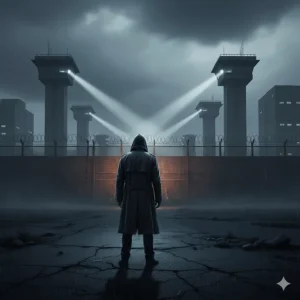
Atwood’s 1985 feminist dystopian fiction has experienced a massive resurgence since the acclaimed television adaptation. Set in the Republic of Gilead (formerly the United States), the novel depicts a theocratic regime where fertile women are enslaved as “handmaids” forced to bear children for the ruling class.
Key Specifications:
- Format: Paperback, hardcover, Kindle, and audiobook
- Page Count: 311 pages
- Series: Followed by The Testaments (2019)
Price Range: £6.99-£14.99
UK Customer Feedback: British readers find the novel increasingly relevant to contemporary discussions about reproductive rights. The Vintage Classics edition is particularly popular for its durability and attractive cover design. Reviewers note Atwood’s prophetic vision feels uncomfortably close to reality.
✅ Pros:
- Powerful feminist perspective
- Beautiful prose with memorable quotes
- Relevant to current social issues
❌ Cons:
- Challenging subject matter
- Slower narrative structure
Available formats include the iconic Vintage Classics edition with the red cover that’s become a cultural symbol.
3. Brave New World by Aldous Huxley
Huxley’s 1932 vision presents a dystopia opposite to Orwell’s—instead of brutal oppression, society controls people through pleasure, drugs, and genetic engineering. In this World State, citizens are manufactured in laboratories, conditioned from birth, and kept docile with the wonder drug “soma.”
Key Specifications:
- Format: Multiple editions available
- Page Count: 268 pages
- Reading Level: Ages 16+
Price Range: £5.99-£15.99
UK Customer Feedback: British readers often compare it favourably to 1984, noting that Huxley’s hedonistic dystopia feels more relevant to modern consumer culture. The Vintage Classics edition with Margaret Atwood’s introduction is highly recommended. Reviewers appreciate the prescient warnings about genetic manipulation and entertainment addiction.
✅ Pros:
- Sophisticated philosophical themes
- Relevant to modern technology debates
- Darkly satirical and witty
❌ Cons:
- Dated language in places
- Complex vocabulary requires concentration
Frequently purchased alongside Orwell’s works for comparative study of different dystopian visions.
4. Station Eleven by Emily St. John Mandel
This 2014 post-apocalyptic fiction follows a travelling theatre troupe performing Shakespeare twenty years after a flu pandemic destroys civilisation. Unlike typical survival dystopia books, Station Eleven focuses on art, culture, and what makes us human rather than violence and conflict.
Key Specifications:
- Format: Paperback and Kindle
- Page Count: 336 pages
- Adaptation: HBO Max series (acclaimed)
Price Range: £7.99-£16.99
UK Customer Feedback: British readers praise Mandel’s lyrical writing and hopeful message. Many note the book’s eerie relevance post-COVID-19. The Picador edition is well-made with quality binding. Reviewers describe it as more literary than typical post-apocalyptic fiction.
✅ Pros:
- Beautiful, poetic prose
- Hopeful message about humanity
- Unique focus on art and culture
❌ Cons:
- Non-linear timeline can confuse
- Less action than typical dystopias
Winner of the Arthur C. Clarke Award and longlisted for the Baileys Women’s Prize.
5. Red Rising by Pierce Brown
This 2014 dystopian sci-fi follows Darrow, a member of the lowest caste (Reds) who works mining beneath Mars’s surface, believing he’s terraforming for future generations. When he discovers humanity reached the surface centuries ago, he infiltrates the elite Gold caste to bring down society from within.
Key Specifications:
- Format: Hardcover and paperback
- Page Count: 382 pages
- Series: Six-book saga (ongoing)
Price Range: £8.99-£18.99
UK Customer Feedback: British readers describe it as The Hunger Games meets Game of Thrones in space. The action-packed narrative and complex world-building receive consistent praise. Some note the violence can be intense. The series hooks readers immediately, with most continuing through all available books.
✅ Pros:
- Fast-paced, addictive storytelling
- Complex characters and politics
- Excellent world-building
❌ Cons:
- Graphic violence not for everyone
- Requires commitment to full series
Perfect for readers seeking best dystopian series with ongoing releases to anticipate.
6. The Hunger Games by Suzanne Collins
Collins’ 2008 YA dystopia depicts Panem, where the Capitol forces children from twelve districts to fight to the death in televised games. Protagonist Katniss Everdeen volunteers to save her sister, sparking a revolution against oppressive authority.
Key Specifications:
- Format: All editions available
- Page Count: 374 pages
- Series: Three-book trilogy plus prequel
Price Range: £6.99-£13.99
UK Customer Feedback: Despite being YA, British adult readers praise the sophisticated themes about media manipulation, war, and propaganda. The Scholastic UK editions are well-produced. Many readers report rereading the series multiple times and appreciating deeper themes with maturity.
✅ Pros:
- Gripping survival narrative
- Strong female protagonist
- Accessible for various ages
❌ Cons:
- Some violence unsettling
- Occasional predictability
Film adaptations starring Jennifer Lawrence brought massive popularity, but readers consistently rate the books higher.
7. Never Let Me Go by Kazuo Ishiguro
Ishiguro’s 2005 novel quietly devastates with its story of students at Hailsham boarding school who discover their sinister purpose—they’re clones raised to provide organs for “normal” humans. The understated British setting makes the horror more chilling.
Key Specifications:
- Format: Paperback and Kindle
- Page Count: 288 pages
- Awards: Shortlisted for Booker Prize
Price Range: £7.99-£14.99
UK Customer Feedback: British readers appreciate Ishiguro’s subtle, literary approach to dystopia. The Faber edition is beautifully produced. Many note the emotional gut-punch ending and the novel’s meditation on mortality, love, and what constitutes humanity. Some find the pacing slow but rewarding.
✅ Pros:
- Literary quality writing
- Profound ethical questions
- Emotional depth
❌ Cons:
- Slower pacing
- Quiet storytelling not for everyone
Winner of numerous awards, this represents dystopian fiction at its most literary.
Understanding Different Types of Dystopian Fiction
Totalitarian Regime Novels
These future society fiction works explore governmental control through propaganda, surveillance, and punishment. Orwell’s 1984 exemplifies this category perfectly, depicting a world where the Party manipulates truth itself. According to literary scholars, totalitarian dystopias gained prominence during the 20th century as writers responded to fascism and communism.
Key characteristics include omnipresent surveillance, thought control, propaganda ministries, and elimination of individual freedoms. British readers particularly connect with these narratives, perhaps because our island nation has historically valued privacy and personal liberty.
Post-Apocalyptic Fiction UK Favourites
Post-apocalyptic narratives imagine societies after catastrophic events—pandemics, nuclear war, environmental collapse, or technological failures. Station Eleven represents this subgenre beautifully, focusing on rebuilding rather than mere survival. The Walking Dead, Mad Max, and The Road have popularised this category.
British post-apocalyptic fiction often emphasises community rebuilding and preservation of culture, reflecting national values around resilience and heritage. The genre surged in popularity following real-world crises, including the 2020 pandemic.
Feminist Dystopias and Social Commentary
The Handmaid’s Tale pioneered modern feminist dystopia, imagining how quickly women’s rights can erode. These works examine gender politics, reproductive control, and patriarchal structures. They’ve gained renewed relevance as debates about bodily autonomy intensify globally.
British writers have contributed significantly to this subgenre, with authors like P.D. James (The Children of Men) exploring reproductive dystopias from unique angles.
Young Adult Dystopian Fiction
The Hunger Games catalysed the YA dystopian boom of the 2010s, followed by Divergent, The Maze Runner, and countless others. These novels typically feature teenage protagonists challenging oppressive systems, resonating with young readers questioning authority and seeking agency.
While some dismiss YA dystopias as formulaic, the best examples tackle sophisticated themes through accessible narratives, serving as gateway texts to more challenging works.
How to Choose Dystopian Fiction Books
Consider Your Reading Preferences
Do you prefer action-packed survival dystopia books or contemplative literary explorations? Red Rising delivers constant excitement, whilst Never Let Me Go offers quiet devastation. There’s no wrong choice—only what suits your mood and interests.
Think about tone preferences too. Some readers enjoy bleaker visions (The Road, 1984), whilst others prefer hope amidst darkness (Station Eleven). Consider pacing: do you want page-turners or dense, philosophical prose?
Start with the Classics
If you’re new to dystopian novels to buy, beginning with Orwell, Huxley, or Atwood provides essential context. These foundational texts established conventions the genre continues exploring. You’ll better appreciate contemporary dystopias after understanding their predecessors.
Classic dystopias also tend to be shorter (250-350 pages), making them less intimidating than sprawling modern series. Plus, they’re available in numerous affordable editions on Amazon.co.uk.
Explore Series vs Standalone Works
Best dystopian series like Red Rising or The Hunger Games offer extended immersion in complex worlds, allowing deeper character development and intricate plotting. However, they require significant time commitment—Pierce Brown’s saga spans six hefty volumes.
Standalone novels like Station Eleven or Never Let Me Go provide complete experiences in single volumes, perfect for readers hesitant about long-term commitments. Many British readers prefer standalones due to busy schedules.
Check Content Warnings
Dystopian fiction often contains disturbing content: violence, sexual assault, torture, totalitarian oppression, and existential bleakness. The Handmaid’s Tale includes sexual slavery; Red Rising features graphic combat; 1984 depicts torture. Read reviews and content warnings if you have sensitivities.
That said, darkness serves thematic purposes, exploring humanity’s capacity for both cruelty and resilience. These aren’t gratuitous horrors but meaningful examinations of power and resistance.
The Evolution of Dystopian Literature
Historical Origins
Dystopian fiction emerged from 19th-century utopian literature, with writers imagining “negative utopias” where perfection-seeking societies create oppression instead. H.G. Wells pioneered early dystopian themes, whilst Yevgeny Zamyatin’s We (1924) influenced both Orwell and Huxley.
The genre exploded post-World War II, as writers processed totalitarianism, atomic weapons, and technological advancement. British authors particularly contributed, perhaps because empire decline prompted reflection on power and control.
Modern Renaissance
Dystopian fiction experienced revival during the 2000s-2010s, driven by YA novels and anxieties about terrorism, climate change, and technological surveillance. The Hunger Games alone sold over 100 million copies worldwide.
Contemporary dystopias increasingly blend genres—science fiction, thriller, romance, literary fiction—reflecting genre fluidity in modern publishing. They also address 21st-century concerns: artificial intelligence, genetic engineering, climate catastrophe, and digital surveillance.
Why Dystopian Fiction Resonates in 2026
As we navigate AI development, climate challenges, political polarisation, and ongoing surveillance expansion, dystopian narratives feel eerily prescient. According to recent surveys, British readers increasingly turn to speculative fiction for processing contemporary anxieties.
These books don’t just warn—they explore resistance, resilience, and hope. Even bleakest dystopias ultimately affirm human dignity by depicting its violation, reminding us what’s worth protecting.
Building Your Dystopian Fiction Collection
Budget-Friendly Options
Paperback editions of classics like 1984 or Brave New World start around £5.99-£7.99 on Amazon.co.uk. Look for Vintage Classics or Penguin Modern Classics lines, which offer attractive, durable editions at reasonable prices.
Kindle versions typically cost £3.99-£9.99, perfect for readers preferring digital formats. Amazon frequently runs promotions on dystopian classics, so add them to your wishlist and watch for price drops.
Premium Collectors’ Editions
For bibliophiles wanting beautiful editions, consider Folio Society versions or Vintage Quarterbound Classics. These feature superior binding, quality paper, illustrations, and attractive covers worth displaying. Prices range £15-£40 but deliver lasting value.
Anniversary editions often include introductions by contemporary authors or additional essays providing historical context. The 75th Anniversary Edition of 1984 includes fascinating supplementary material.
Complete Series Collections
If committing to best dystopian series, purchasing complete sets saves money versus individual volumes. Amazon.co.uk offers box sets for The Hunger Games trilogy (£18-£25) and Red Rising saga (£40-£60 for six books).
Series commitment isn’t for everyone, but dedicated fans appreciate having entire narratives available immediately, avoiding cliffhanger waits.
✨ Don’t Miss These Exclusive Deals!
🔍 Take your dystopian fiction reading to the next level with these carefully selected books. Click on any highlighted item to check current pricing and availability on Amazon.co.uk. These novels will transport you to thought-provoking worlds that’ll challenge your perceptions of society!
Benefits vs Traditional Fiction
| Aspect | Dystopian Fiction | Traditional Fiction |
|---|---|---|
| Social Commentary | Explicit critique of societal structures | Often more subtle or absent |
| World-Building | Extensive alternate societies | Usually contemporary or historical settings |
| Philosophical Depth | Questions about power, freedom, humanity | Variable focus |
| Escapism Level | Moderate (reflects real anxieties) | Higher (often comfort reading) |
| Educational Value | Prompts political/social awareness | More character/emotion focused |
| Reading Difficulty | Often thought-provoking, requires engagement | Wide range available |
Regional Availability and Shipping Across the UK
Delivery Options
Amazon.co.uk offers free delivery on orders over £25 for most book formats, with Prime members receiving free next-day delivery. Standard delivery typically takes 2-3 business days across England, Scotland, Wales, and Northern Ireland.
Remote areas in Scotland and Northern Ireland may experience slightly longer delivery times. Consider Kindle versions for instant access if physical delivery proves inconvenient.
Supporting Local Bookshops
Whilst this guide focuses on Amazon.co.uk availability and pricing, consider supporting independent British bookshops through platforms like Bookshop.org UK. Many stock extensive dystopian fiction sections and offer knowledgeable staff recommendations.
Local bookshops often host reading groups, author events, and community discussions enhancing the reading experience beyond mere book purchase.
Reading Groups and Community
Online Communities
British dystopian fiction fans gather in numerous online spaces. Reddit’s r/books and r/dystopianbooks host lively discussions, whilst Goodreads offers dedicated groups for specific series and general dystopian literature.
Many UK libraries run virtual reading groups focusing on speculative fiction, providing structured discussion opportunities. These communities enhance understanding through diverse perspectives and interpretations.
Book Clubs and Discussion Guides
Dystopian novels make excellent book club selections, generating robust discussions about ethics, politics, and human nature. The Handmaid’s Tale, 1984, and Station Eleven include publisher-provided discussion guides with thought-provoking questions.
Starting a dystopian fiction book club with friends or colleagues creates space for exploring challenging themes together, enriching the solitary reading experience.
Frequently Asked Questions
❓ What makes dystopian fiction different from science fiction?
❓ Which dystopian novel should I read first if I'm new to the genre?
❓ Are dystopian books suitable for teenagers?
❓ How long does it take to read a typical dystopian novel?
❓ Do I need to read dystopian series in order?
Conclusion: Your Dystopian Fiction Journey Begins
Dystopian fiction offers more than entertainment—it provides mirrors reflecting our society’s potential trajectories, encouraging critical thinking about power, freedom, and human nature. Whether you’re drawn to Orwell’s totalitarian nightmare, Atwood’s feminist warning, or Mandel’s hopeful post-apocalypse, these narratives challenge and inspire.
The seven books explored represent merely the beginning. Dystopian literature encompasses hundreds of remarkable works spanning nearly a century, each offering unique perspectives on humanity’s darkest possibilities and brightest hopes. As you explore this genre, you’ll discover recurring themes: resistance against oppression, the importance of individual thought, and humanity’s remarkable capacity for both cruelty and compassion.
Building a dystopian fiction collection on Amazon.co.uk proves straightforward, with excellent options across all price points. Start with one or two classics, then branch into contemporary works matching your interests. Join online communities, participate in discussions, and let these cautionary tales inform how you engage with our actual world.
Remember: the best dystopian fiction doesn’t just depict nightmare futures—it empowers readers to prevent them. By understanding how societies fail, we learn how to build ones that succeed. Happy reading, and may you find both entertainment and enlightenment in these dark mirrors.
Recommended for You
- 7 Best Space Opera Novels to Buy in 2026 (UK Guide)
- 7 Best Epic Fantasy Series to Buy in 2026 (UK Expert Guide)
- 7 Best WW2 Historical Fiction Books UK 2026
Disclaimer: This article contains affiliate links. If you purchase products through these links, we may earn a small commission at no additional cost to you. Prices shown are approximate and may vary.
✨ Found this helpful? Share it with your mates! 💬🤗
