

In This Article
There’s a very specific kind of homesickness that kicks in when you’re standing in your own kitchen, batter dripping off a whisk, wondering why your “fish and chips” tastes nothing like the stuff wrapped in paper on a Friday night back home. The good news is that the gap between chippy and kitchen is almost entirely down to technique and recipe — and a genuinely good british fish and chips cookbook closes that gap faster than any amount of trial and error.
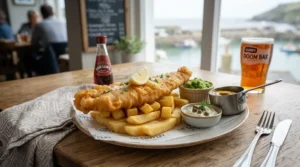
A british fish and chips cookbook is a recipe collection built specifically around the UK’s fried-fish-and-potato tradition and its wider seafood cooking culture — battering, dripping-fried chips, mushy peas, curry sauce, and the broader repertoire of British fish suppers, alongside classic fish dishes from British coastal kitchens and restaurant tables. The best of these books go well beyond a single fish-and-chips recipe, covering sourcing, filleting, sauces, and the full range of traditional fish recipes that built Britain’s relationship with the sea.
This guide is built entirely around real, currently available titles — genuine authors, genuine page counts, genuine aggregated reader sentiment — rather than recycled marketing blurb. We’ll cover budget paperbacks perfect for a first attempt at homemade chippy chips, comprehensive reference guides for building real seafood confidence, and the premium restaurant and coastal cookbooks that turn a Friday night meal into something worth savouring slowly. Whatever your kitchen skill level, there’s a genuinely good match on this list.
Quick Comparison Table
Pressed for time? Here’s the shorthand version before we dig into the detail.
| Book | Format | Best For | Price Range |
|---|---|---|---|
| The Fish and Chip Cookbook | Hardcover, 40pp | Family chip shop recipes | £15-£24 range |
| My Kitchen Table: 100 Fish and Seafood Recipes | Paperback, ~144pp | Budget-friendly everyday cooking | Under £10 |
| Good Food: Fish & Seafood Dishes | Paperback, ~144pp | Triple-tested beginner recipes | Under £10 |
| Fish Cookbook (DK) | Hardcover, 400pp | All-in-one reference guide | £15-£20 range |
| J Sheekey FISH | Hardcover, 320pp | Restaurant-quality classics | £20-£28 range |
| The Seafood Shack | Hardcover, 240pp | Scottish coastal storytelling | £18-£22 range |
| Rick Stein’s Fish & Shellfish | Hardcover, 352pp | Definitive premium technique guide | £22-£30 range |
Looking at the spread, the real decision point isn’t price so much as ambition: My Kitchen Table and Good Food: Fish & Seafood Dishes are built for quick, reliable weeknight cooking with minimal fuss, while Rick Stein’s Fish & Shellfish and J Sheekey FISH are aimed at readers who want to genuinely understand fish cookery, not just follow a recipe once. The Fish and Chip Cookbook sits in its own niche as the most narrowly focused option — pure chip-shop nostalgia rather than a broad seafood education.
💬 Just one click — help other make better buying decisions too!😊
Top 7 British Fish and Chips Cookbooks: Expert Analysis
1. The Fish and Chip Cookbook — true chip shop family recipes
The standout feature of The Fish and Chip Cookbook is its premise: recipes handed down across four generations of a real fish-frying family, positioned as the closely-guarded methods behind an award-winning chip shop rather than a chef’s restaurant interpretation of the dish.
At just 40 pages in hardcover, this is a slim, tightly focused volume rather than a broad seafood education — it’s built entirely around recreating proper chip shop battered fish, chips, and the classic sides that go with them, not general fish cookery. That narrow focus is exactly the appeal for readers whose only real want is authentic uk chippy recipes rather than a wider repertoire of classic fish dishes.
Based on the format, this suits someone who wants one very specific thing done properly — a genuine chippy-style batter and proper dripping-fried chips — rather than a comprehensive seafood library. Aggregated reader sentiment is genuinely mixed rather than uniformly glowing, with ratings ranging quite widely; some readers report real satisfaction with the batter recipe specifically, while others feel the page count is thin relative to the hardcover price point, and it’s worth going in with that honestly weighed up rather than expecting a definitive reference.
Pros:
- ✅ Genuine multi-generational chip shop family recipes
- ✅ Laser-focused on authentic chippy-style batter and chips
- ✅ Compact format that’s easy to keep by the hob
Cons:
- ❌ Aggregated reviews are notably mixed, not uniformly positive
- ❌ Very slim page count for a hardcover price point
Typically priced in the £15-£24 range depending on retailer and stock, this is a niche purchase best suited to chip-shop purists rather than anyone wanting broader traditional fish recipes.
2. My Kitchen Table: 100 Fish and Seafood Recipes — best budget TV chef paperback
Rick Stein‘s standout here is accessibility: 100 straightforward fish and seafood recipes in a compact paperback, part of the long-running “My Kitchen Table” series built specifically around everyday home cooking rather than restaurant-level ambition.
The format strips away the photography-heavy, coffee-table feel of Stein’s larger hardbacks in favour of a genuinely practical, kitchen-worn paperback — the kind of book that’s meant to get a bit battered and stained with use rather than displayed. Recipes lean into approachable British and European fish supper recipes, using ingredients that are realistically available at a UK supermarket fish counter rather than obscure specialist catches.
This is the pick for someone who trusts Rick Stein’s reputation but doesn’t want to pay premium hardback prices, or who’s cooking fish regularly enough that a hardback would just get used and worn anyway. With well over 450 ratings and a strong average score, aggregated reviewer sentiment consistently praises the reliability of the recipes and the accessible, unintimidating format, with occasional notes that photography is sparser than in Stein’s larger titles.
Pros:
- ✅ Strong, consistent review volume with a high average rating
- ✅ Genuinely everyday, supermarket-friendly ingredient lists
- ✅ Compact paperback format that’s practical for daily use
Cons:
- ❌ Sparser photography than Stein’s premium hardbacks
- ❌ Smaller format means less room for technique detail
Often available for well under £10, including secondhand copies, this is comfortably the best-value entry point into Rick Stein’s fish cookery for budget-conscious buyers.
3. Good Food: Fish & Seafood Dishes — best triple-tested beginner recipes
The standout with Good Food: Fish & Seafood Dishes, compiled by Jeni Wright for the BBC Good Food brand, is the “triple-tested” promise — every recipe is developed and checked multiple times in the BBC Good Food test kitchen before publication, which matters enormously for anyone nervous about wasting an expensive piece of fish on a recipe that doesn’t work.
As part of BBC Good Food’s long-running compact cookbook series, this is deliberately unfussy: clear instructions, realistic timings, and recipes pitched at home cooks rather than chefs. That triple-testing process is the real practical value here — it directly reduces the single biggest risk in fish cookery, which is timing, since overcooked fish is unforgiving in a way that overcooked pasta simply isn’t.
This suits genuine beginners and anyone who’s been burned by unreliable recipes before and wants a safety net built into the book itself. Based on the BBC Good Food brand’s consistent reputation across its cookbook range, reviewer sentiment for these compact triple-tested titles tends to focus on trustworthiness and ease of follow, though the shorter page count means less scope for wider seafood technique or classic fish dishes beyond the core recipe set.
Pros:
- ✅ Every recipe triple-tested by the BBC Good Food kitchen
- ✅ Realistic, achievable timings for nervous beginners
- ✅ Trusted, long-running British recipe brand
Cons:
- ❌ Shorter format limits deeper technique coverage
- ❌ Fewer recipes overall than the larger reference titles
Generally priced under £10, it’s one of the most affordable and lowest-risk starting points on this list for a first proper attempt at traditional fish recipes.
4. Fish Cookbook (DK) — best all-in-one reference guide
DK‘s Fish Cookbook stands out for sheer scope: over 300 recipes and 400 pages, covering everything from opening an oyster to making sushi, alongside a genuinely useful photo gallery of more than 200 edible fish and seafood varieties for identification at the fishmonger’s counter.
Structurally, this earns its “reference” label — step-by-step photographed sequences walk through core preparation techniques, not just finished-dish photography, which is precisely the detail that separates a book you can actually learn from versus one you just admire. It explicitly includes homemade fish and chips alongside international classics like New England clam chowder and French bouillabaisse, giving it genuine breadth beyond narrowly British fried fish.
This is the pick for someone building long-term seafood cooking confidence rather than looking for a single quick win — the encyclopaedic identification gallery alone makes it useful well beyond the recipes themselves. It’s a long-standing DK title with a solid reputation for clarity and thoroughness, consistently positioned by buyers as a genuine reference rather than a one-read cookbook, with the trade-off being that its comprehensive scope makes it a denser read than the slimmer, single-purpose titles on this list.
Pros:
- ✅ Over 300 recipes with genuine breadth of coverage
- ✅ Step-by-step technique photography, not just finished dishes
- ✅ Built-in fish and seafood identification gallery
Cons:
- ❌ Denser and less quick-reference than slimmer titles
- ❌ Broader international focus dilutes the specifically British angle
Typically found in the £15-£20 range, it represents strong value for the sheer volume and durability of a reference you’ll return to for years.
5. J Sheekey FISH — best West End restaurant classics
The standout with J Sheekey FISH, written by Tim Hughes, is pedigree: over 120 recipes drawn directly from one of London’s most celebrated fish restaurants, a venerable Theatreland institution serving discerning seafood lovers since the 1890s.
At 320 pages, the book spans from genuinely posh dishes like lobster thermidor through to what one reviewer memorably called the “proletarian” end of the menu — deep-fried haddock and chips — giving it a wider emotional range than a purely restaurant-glamour book might suggest. Recipes are presented with notably snappy instructions and clear ingredient lists despite their restaurant origins, avoiding the trap some chef books fall into of assuming professional kitchen equipment or experience.
This is an excellent pick for someone who wants to cook genuinely impressive classic fish dishes at home without needing a brigade of commis chefs to help. Aggregated reviews are consistently excellent, sitting around 4.7-4.8 out of 5 across roughly 95 ratings, with reviewers specifically praising the recipes as lovely, usable, and among the most definitive guides to fish cookery available, alongside strong praise for the photography.
Pros:
- ✅ Exceptionally high aggregated rating across ~95 reviews
- ✅ Genuine range from restaurant showpieces to comfort classics
- ✅ Clear, restaurant-tested instructions usable at home
Cons:
- ❌ Premium hardback pricing reflects its restaurant pedigree
- ❌ Some recipes assume a reasonably confident home cook
Typically in the £20-£28 range, it’s a strong splurge for anyone who wants genuinely elevated british seafood books on their shelf rather than purely everyday fare.
6. The Seafood Shack: Food & Tales from Ullapool — best award-winning Scottish coastal book
The Seafood Shack, by Kirsty Scobie and Fenella Renwick, stands out for its storytelling as much as its recipes — over 80 dishes woven through with tales from the local fishermen who supply their small seafood trailer in the Scottish Highlands town of Ullapool.
This is a genuinely decorated book rather than a self-published passion project: it won the 2021 National Geographic Traveller Reader Award for Best Food & Travel Book, the Gourmand Cookbook Award, and was shortlisted for the Guild of Food Writers’ First Book award. The recipe content covers everything from a signature haddock wrap through to Cullen skink and garlic-and-thyme langoustines, with genuine how-to guidance on sourcing, dissecting, and filleting white fish, smoked fish, and shellfish rather than assuming that knowledge already exists.
This suits readers drawn to place-based British seafood books — anyone who wants the story of where their dinner came from alongside the recipe itself, not just a method. Aggregated reader sentiment is strongly positive, with reviewers consistently describing the mix of recipes, local history, and photography as genuinely charming rather than gimmicky, though a handful note the emphasis on storytelling means slightly fewer recipes than a purely recipe-focused book of similar size.
Pros:
- ✅ Multiple major award wins and shortlistings
- ✅ Genuine sourcing and preparation guidance, not just recipes
- ✅ Distinctive Scottish coastal storytelling and photography
Cons:
- ❌ Fewer total recipes than purely recipe-led titles of similar length
- ❌ Regional Scottish focus rather than broad UK coverage
Priced around £18-£22 for the hardback, it’s a genuinely lovely gift-worthy pick as well as a working cookbook, particularly for anyone with a soft spot for the Scottish coast.
7. Rick Stein’s Fish & Shellfish — best definitive premium technique guide
Rick Stein’s Fish & Shellfish is the most comprehensive, technique-led title on this list — a completely revised and redesigned edition of his earlier classic Seafood, built around a step-by-step guide to more than 60 essential preparation techniques, from poaching and salting to cleaning mussels and cooking lobster.
At 352 hardback pages with over 120 recipes drawn from Stein’s Padstow seafood school, this is explicitly positioned as a teaching book rather than just a recipe collection — every technique step is photographed for clarity, and the recipe range spans from simple classics like grilled sardines through to more adventurous dishes like monkfish vindaloo. It also includes practical guidance on buying, storing, and sourcing sustainable fish, giving it genuine long-term reference value beyond any single meal.
This is the pick for a serious home cook who wants to properly understand seafood, not just follow instructions for one dish at a time — the technique-first structure means skills learned in one recipe transfer directly to others. Reader reviews consistently describe it as an essential companion for any fish-lover’s kitchen, with particular praise for the clarity of the technique photography and the breadth of the recipe range, positioning it firmly among the most trusted british seafood books in print.
Pros:
- ✅ Over 60 photographed core seafood techniques
- ✅ Broad recipe range from simple classics to ambitious dishes
- ✅ Built-in sourcing and sustainability guidance
Cons:
- ❌ Highest price point among the titles on this list
- ❌ Technique-heavy structure suits patient learners over quick cooks
Generally priced in the £22-£30 range for the hardback, it’s a genuine investment purchase, but one that reviewers consistently suggest pays for itself many times over in skills gained.
Practical Usage Guide: Getting the Most Out of Your Fish Supper Recipes
Buying the right cookbook is only the beginning — actually cooking confidently from it takes a bit of set-up. Start by reading the technique sections before you cook anything, not while ingredients are already sizzling; batter consistency, oil temperature, and filleting angles are all far easier to absorb calmly than mid-recipe. If your chosen title includes step-by-step photography, as several on this list do, treat those pages as a genuine reference to return to rather than skimming past them on a first read.
Invest in a reliable cooking thermometer if you’re serious about proper chippy-style chips or battered fish — oil temperature is the single biggest variable separating soggy results from genuinely crisp ones, and guessing rarely ends well. For the first month of cooking from a new book, the most common mistake is overcrowding the pan, which drops oil temperature sharply and produces greasy rather than crisp results; cook fish and chips in smaller batches than feels necessary, and give the oil time to recover its temperature between batches.
Keep a simple note in the margin or a notebook of any adjustments you make — cooking times genuinely vary by fillet thickness and by your own oven or fryer, and the second attempt at any recipe is nearly always better than the first once you’ve noted what worked. Finally, don’t skip the sourcing and preparation sections some of these books include; understanding how to properly store and handle fresh fish before cooking has a bigger impact on final flavour than almost any seasoning choice.
Real-World Scenarios: Which Cookbook Suits Your Kitchen
The nostalgic chip-shop chaser. You want one thing and one thing only: proper chippy-style battered fish and dripping-fried chips that taste like a Friday night out. The Fish and Chip Cookbook is built precisely for this narrow, specific craving, though it’s worth going in aware the reviews are mixed rather than universally glowing.
The budget-conscious weeknight cook. You want to eat more fish regularly without breaking the bank on either ingredients or the book itself. My Kitchen Table: 100 Fish and Seafood Recipes or Good Food: Fish & Seafood Dishes both deliver reliable, everyday fish supper recipes at a genuinely low price point, with triple-tested confidence built in on the latter.
The aspiring home seafood cook. You’ve got some kitchen confidence already and want to properly learn technique, not just follow instructions once. Rick Stein’s Fish & Shellfish or the DK Fish Cookbook both teach transferable skills through photographed technique sequences, turning you into someone who understands fish cookery rather than someone who’s memorised a handful of recipes.
Problem → Solution: Fixing Common Fish and Chips Cooking Mistakes
Problem: batter slides off the fish instead of clinging. This is almost always down to wet fish going straight into wet batter. Pat fillets thoroughly dry and dust lightly in flour before dipping, giving the batter something dry to actually grip onto.
Problem: chips are pale and limp rather than golden and crisp. Proper chip shop results need a genuine double-fry: a lower-temperature first fry to cook the potato through, then a hotter second fry purely for colour and crunch. Skipping the double fry is the single most common reason home chips disappoint.
Problem: fish is overcooked and dry by the time it’s served. Fish carries on cooking briefly after it leaves the heat, so pull it slightly before it looks fully done and let residual heat finish the job — a mistake several of the technique-led books on this list address directly with visual doneness cues.
Problem: the oil smells burnt or the fish tastes greasy. Check your oil temperature is genuinely hot enough before the fish goes in, and don’t reuse oil too many times, since repeated heating breaks it down and both dulls flavour and lowers its smoke point.
Problem: unsure which fish to buy for a recipe. Several books on this list, notably the DK Fish Cookbook and Rick Stein’s Fish & Shellfish, include identification and substitution guidance specifically so you’re not stuck if your fishmonger doesn’t have the exact species named in a recipe.
What is a British Fish and Chips Cookbook?
A british fish and chips cookbook is a recipe collection centred on the UK’s fried-fish-and-chip tradition and its wider seafood repertoire — battered or breaded fish, twice-fried chips, and classic accompaniments like mushy peas and curry sauce, often alongside broader traditional fish recipes from British coastal and restaurant cooking. The strongest titles teach sourcing and technique alongside recipes, rather than assuming existing seafood confidence.
How to Choose a British Fish and Chips Cookbook
- Decide how narrow or broad you want the focus. A dedicated chippy-style title like The Fish and Chip Cookbook is different from a broad seafood reference like the DK Fish Cookbook — match the book to what you’ll actually cook most.
- Check whether it teaches technique, not just recipes. Books with photographed step-by-step preparation, like Rick Stein’s Fish & Shellfish, build skills that transfer well beyond the printed recipes.
- Weigh page count and price against how often you’ll use it. A slim, cheap paperback suits occasional cooking; a dense reference earns its price back over years of repeated use.
- Look for triple-tested or brand-backed reliability if you’re a beginner. Titles like Good Food: Fish & Seafood Dishes reduce the risk of a failed recipe wasting good fish.
- Consider whether sourcing and sustainability guidance matters to you. Several premium titles include this; budget titles more often assume you already know what to buy.
- Factor in format for how you’ll actually use it in the kitchen. A hardback coffee-table book and a kitchen-worn paperback serve genuinely different purposes.
- Check aggregated review sentiment honestly, not just star ratings. As with The Fish and Chip Cookbook, mixed reviews on a niche title are worth weighing against a broader, more consistently praised alternative.
British Seafood Books vs General Fish Cookbooks
There’s a meaningful difference between a genuinely british seafood books pick and a general international fish cookbook that happens to include a UK chapter, and it comes down to cultural grounding rather than just recipe count. British-focused titles like The Seafood Shack, J Sheekey FISH, and Rick Stein’s Fish & Shellfish are built around UK coastal produce, regional traditions, and the specific dishes — fish pie, Cullen skink, chippy-style battered fish — that define British seafood eating.
| Factor | British-Focused Book | General International Cookbook |
|---|---|---|
| Recipe grounding | UK coastal and chippy tradition | Global cuisines with occasional UK nod |
| Ingredient availability | Matched to UK fishmonger/supermarket stock | May reference less accessible species |
| Storytelling | Often includes UK sourcing/place context | Typically recipe-only |
| Best for | Cultural authenticity, chippy nostalgia | Broadest possible recipe variety |
The practical takeaway is that a general international fish cookbook, like the broader sections of the DK Fish Cookbook, genuinely does offer more total recipes, but a British-focused title will more reliably match what’s actually sitting on the ice at your local fishmonger and what you’re culturally craving on a Friday night.
Traditional Fish Recipes vs Modern Chippy-Style Cooking
Traditional fish recipes and modern chippy-style cooking are related but distinct threads within British seafood cookery, and understanding the difference helps you pick the right book for what you actually want to eat. Traditional recipes — Cullen skink, fish pie, kedgeree, poached fish with parsley sauce — tend to be gentler, slower, and rooted in home kitchens rather than high-volume frying, and books like The Seafood Shack and Rick Stein’s Fish & Shellfish lean heavily into this territory.
Modern chippy-style cooking, by contrast, is built around the specific fry-shop techniques that define takeaway fish and chips: proper batter, double-fried chips, and the sharp, punchy flavours of vinegar and curry sauce. The Fish and Chip Cookbook sits almost entirely in this camp, while broader titles like My Kitchen Table and the DK Fish Cookbook touch on both without fully specialising in either. Based on the spec comparison across these titles, readers chasing a specific chippy-style craving are usually better served by a narrowly focused book, while anyone wanting rounded, everyday cooking confidence should lean toward the broader, technique-led titles.
UK Chippy Recipes at Home: What Actually Works
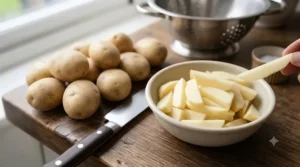
Getting genuinely convincing uk chippy recipes right at home comes down to a handful of specifics that separate a good attempt from a proper one. Batter needs to be cold and slightly lumpy rather than perfectly smooth — over-mixing develops gluten and makes for a tougher, less crisp coating, which is exactly the opposite of what a proper chip shop batter delivers.
Chips genuinely do need the double-fry method covered earlier, and the potato variety matters more than most home cooks expect — a floury variety like Maris Piper holds its shape and crisps properly, where a waxy potato tends to go soft and greasy. Several of the books here, particularly The Fish and Chip Cookbook and My Kitchen Table, walk through these specifics directly, while the more technique-focused titles like Rick Stein’s Fish & Shellfish teach the underlying principles that make any batter or fry method work, which arguably serves you better in the long run than a single fixed recipe.
Sourcing Sustainably: Fish Choices That Actually Matter
However good your chosen recipe, the fish itself matters just as much as the technique, and sustainable sourcing has become a genuinely mainstream concern in UK seafood cooking rather than a niche one. The Marine Conservation Society’s Good Fish Guide uses a simple traffic-light system to rate seafood species by how sustainably they’re caught or farmed, and it’s a genuinely useful free tool to check alongside any of the recipes in this list before you buy. It’s also worth remembering the NHS recommends at least two portions of fish a week, one of them oily, so working through any of these books is genuinely good for more than just Friday-night nostalgia.
Several of the premium titles here build sourcing guidance directly into the book — Rick Stein’s Fish & Shellfish includes tips on buying and sourcing sustainable fish, and The Seafood Shack is built almost entirely around the story of responsibly sourced local catch. For anyone using a purely recipe-focused budget title, it’s worth pairing the book with an independent sustainability check, since not every species named in an older or reprinted recipe will still carry the same sustainability rating today.
Long-Term Value: Cost Per Recipe & Kitchen Staying Power
Working out genuine value means thinking beyond the cover price to how many times you’ll realistically return to a book. A budget paperback like Good Food: Fish & Seafood Dishes, at under £10 for around 100 or so recipes, works out to pennies per recipe if you actually cook your way through it — genuinely excellent value for a confident beginner who’ll use most of what’s inside.
A premium technique-led title like Rick Stein’s Fish & Shellfish, at £22-£30, looks pricier by comparison, but if it’s teaching transferable skills you’ll apply across dozens of future meals well beyond its own printed recipes, the real cost-per-skill-gained often favours the more expensive option over years of ownership. The Fish and Chip Cookbook, by contrast, is the hardest to justify on pure value grounds given its slim 40-page count and genuinely mixed reviews at a hardback price point — it’s a purchase best made with eyes open, for the nostalgia factor specifically rather than broad usefulness.
✨ Don’t Miss These Exclusive Deals!
🔍 Bring proper chippy-night flavour into your own kitchen with these carefully selected picks. Click through to check current pricing and availability, and turn Friday night into a genuine homemade treat!
Frequently Asked Questions
❓ What is the best cookbook for homemade fish and chips?
❓ Are British fish and chips cookbooks good for beginners?
❓ What's the difference between a fish cookbook and a seafood cookbook?
❓ How do I know if the fish in a recipe is sustainable?
❓ Do I need special equipment to cook proper chippy-style chips?
Conclusion
There’s no single best british fish and chips cookbook because there’s no single kind of cook reaching for one — a Friday-night chippy craving and a genuine desire to learn seafood technique are different goals that call for different books. What matters is being honest with yourself about which one you actually are before you buy.
For pure nostalgia, The Fish and Chip Cookbook scratches a very specific itch, mixed reviews and all. For reliable, budget-friendly everyday cooking, My Kitchen Table and Good Food: Fish & Seafood Dishes are hard to beat. And for anyone genuinely serious about mastering seafood, whether that’s the DK Fish Cookbook‘s encyclopaedic breadth or Rick Stein’s Fish & Shellfish‘s technique-first teaching, the investment pays off meal after meal. Whichever you choose, the history behind Britain’s national dish, championed for over a century by the fish frying trade itself, is worth honouring properly in your own kitchen.
Recommended for You
- 7 Best Traditional British Recipes Books for UK Kitchens (2026)
- Best British Cookbooks: 7 Kitchen Classics for 2026
- Gratitude Journal Books: 7 Best UK Picks to Try in 2026
Disclaimer: This article contains affiliate links. As an Amazon Associate, I earn from qualifying purchases. If you purchase products through these links, we may earn a small commission at no additional cost to you.
✨ Found this helpful? Share it with your friends! 💬🤗
