
In This Article
There’s a particular kind of kitchen chaos that only a good cookbook can fix — flour on the worktop, a half-remembered recipe from your gran, and a Sunday afternoon slipping away while you Google “how long to roast a chicken per kilo” for the third time this month. If that sounds familiar, you’re exactly who this guide is for. Good traditional british recipes books do something a phone screen propped against the kettle simply can’t: they sit open, get splattered with gravy, and slowly become part of the furniture of your kitchen.
So what is a traditional British recipes book, really? At its simplest, it’s a curated collection of time-tested British dishes — roasts, pies, puddings, stews — written with enough context and technique that a home cook can reproduce them confidently, generation after generation, rather than guessing at a recipe scraped together online.
This piece pulls together seven genuinely well-regarded traditional british recipes books, spanning total-beginner guides through to serious reference tomes, and picks apart what each one actually gets right (and where it falls short). We’ve dug into real specs — page counts, recipe numbers, price brackets — and honest aggregated review sentiment, not invented five-star gushing. Whether you want a no-nonsense weeknight companion or a book weighty enough to double as a doorstop, there’s something below that fits your kitchen and your Sunday.
Quick Comparison Table
| Book | Best For | Recipe Focus | Price Range |
|---|---|---|---|
| Delia’s Complete How To Cook | Total beginners | Foundational technique + classics | Mid-range |
| Mary Berry’s Family Sunday Lunches | Traditional Sunday roasts | Roast dinners, gravies, puddings | Mid-range |
| Nadiya’s British Food Adventure | Modern twists on tradition | Regional British dishes, reinvented | Mid-range |
| Sundays: A Cookbook | Budget-conscious weekend cooks | Relaxed weekend meals | Budget |
| Pub Kitchen | Premium comfort food fans | Modern British pub classics | Premium |
| The British Cookbook | Serious reference collectors | 550+ regional recipes | Premium |
| Sunday Roast: The Complete Guide to Cooking and Carving | Carving skills specifically | Roasting joints, carving technique | Budget |
Looking at the spread here, there’s a genuine budget-to-premium ladder rather than seven versions of the same book. Delia’s Complete How To Cook and Mary Berry’s Family Sunday Lunches sit in the sensible middle ground most households will want first, while The British Cookbook and Pub Kitchen reward readers who already know their way around a kitchen and want depth or restaurant-level polish. If your priority is specifically nailing the Sunday roast itself — the meat, the timing, the carving — Sunday Roast: The Complete Guide to Cooking and Carving is the only book on this list built around that single skill.
💬 Just one click — help others make better buying decisions too!😊
Top 7 Traditional British Recipes Books: Expert Analysis
1. Delia’s Complete How To Cook — best all-rounder for total beginners
If you’ve never roasted anything larger than a jacket potato, this is where most British home cooks quietly start. Delia Smith built her reputation teaching people who couldn’t boil an egg, and it shows.
The book runs to roughly 700 pages and is structured as a genuine teaching course rather than a flick-through recipe dump — each chapter builds a skill (poaching, roasting, pastry) before layering in variations. That structure matters in practice: you’re not just following steps, you’re being shown why the step exists, which is what actually sticks when you’re cooking solo for the first time. Based on the spec comparison with flashier modern releases, what Delia’s book sacrifices in glossy photography it makes up for in sheer teaching density.
This is squarely a book for beginners and anyone rebuilding basic confidence in the kitchen — students, new homeowners, or someone who’s relied on ready meals for a decade and wants to change that gently rather than dramatically. Reviewers consistently report that the recipes are genuinely foolproof and easy to follow, with several noting the “shortened” versions of classic dishes are less intimidating than other cookery courses, though a handful of long-term fans mention that some sections feel a little dated compared with contemporary British cooking trends.
Pros:
- ✅ Teaches technique, not just recipes, from first principles
- ✅ Huge page count means genuinely comprehensive coverage
- ✅ Reviewers consistently praise the clear, foolproof method
Cons:
- ❌ Some sections read as dated against current trends
- ❌ Limited food photography compared with modern releases
At around a mid-range hardcover price, this earns its keep purely on how much repeat use you’ll get from it — it’s the book you’ll still own in fifteen years.
2. Mary Berry’s Family Sunday Lunches — best for classic Sunday roasts
Mary Berry doesn’t need an introduction in a British kitchen, and this particular book narrows her enormous back catalogue down to one very specific, very beloved job: the family Sunday roast.
Spec-wise, this is a focused collection rather than a general-purpose cookbook — think roasting joints, all the trimmings, gravies, and the puddings that traditionally follow. What that focus buys you is depth exactly where most people need it, since roasting a joint of meat well is genuinely one of the trickier everyday cooking skills, with narrow margins between “perfect” and “dry as cardboard.” What most buyers overlook about a dedicated roast-lunch book like this is that the timing charts and resting advice are worth the cover price alone, long before you even get to the recipes themselves.
This suits families who treat Sunday lunch as a weekly ritual rather than an occasional treat, and it’s a strong gift pick for someone setting up their first proper Sunday table. Aggregated review sentiment is notably strong here — a 4.7-star average across roughly 650 ratings, with reviewers frequently mentioning reliable results and genuinely family-friendly portion sizes.
Pros:
- ✅ Laser-focused on the one meal most Britons actually plan around
- ✅ Strong, consistent review scores from hundreds of buyers
- ✅ Clear timing and resting guidance most books skip
Cons:
- ❌ Narrower scope than a full everyday cookbook
- ❌ Less useful if you rarely cook a traditional roast
Priced in the mid-range bracket, it’s a smart, targeted purchase rather than an all-in-one library — buy it alongside a broader book, not instead of one.
3. Nadiya’s British Food Adventure — best modern twist on tradition
Nadiya Hussain’s take on British food is less “here’s how your gran made it” and more “here’s how your gran’s recipe might taste with a Bangladeshi spice cupboard raided along the way,” and honestly, it’s a genuinely useful bridge for households cooking across two culinary traditions at once.
The book documents her journey around the UK meeting regional producers, and the recipes reflect that — dishes with British bones but unexpected flavour layering, from lamb bhuna alongside naan through to reworked ploughman’s-style tarts. On paper this means slightly more ingredient shopping than a purist British cookbook, but reviewers note the payoff is dishes that feel genuinely fresh rather than gimmicky twists for their own sake.
This is the pick for households who want traditional British recipes books that don’t feel stuck in aspic — younger cooks, multicultural families, or anyone bored of the same six roast variations. With well over a thousand aggregated ratings averaging 4.7 stars, sentiment is strongly positive, with reviewers repeatedly praising clarity of instruction and regional storytelling, though a minority mention wanting more step-by-step photography throughout.
Pros:
- ✅ Genuinely inventive twists on classic British dishes
- ✅ Very strong review volume and consistency (1,300+ ratings)
- ✅ Clear, well-tested instructions according to reviewers
Cons:
- ❌ Some recipes need a wider spice-cupboard shop
- ❌ A few reviewers want more instructional photography
Sitting in the mid-range price bracket, it earns its spot by doing something the other six books on this list don’t quite attempt.
4. Sundays: A Cookbook — best budget-friendly weekend cooking
Sophie Godwin’s book takes a slightly different angle on “Sunday food” — rather than one formal roast, it’s built around the whole rhythm of a slower weekend, from lazy brunches through to the kind of low-effort evening cooking that follows a big lunch.
Spec-wise it’s a genuinely accessible entry point: a manageable page count, a relaxed format, and recipes pitched at people who want a nice meal without a three-hour prep window. Here’s what to weigh up against the pricier premium options on this list — you’re trading some of the depth and reference value of a book like The British Cookbook for something far more approachable on a weekday-adjacent budget.
This suits younger households, couples, or anyone who finds big roast-dinner cookbooks slightly overwhelming and wants gentler weekend cooking instead. Aggregated sentiment is positive with a 4.6-star average, and reviewers consistently mention that recipes work as written first time — a genuinely underrated quality in a cookbook.
Pros:
- ✅ Genuinely budget-friendly compared with premium alternatives
- ✅ Relaxed format suits weekend cooking, not just Sunday lunch
- ✅ Reviewers report high first-attempt success rates
Cons:
- ❌ Smaller review pool than the bigger-name titles here
- ❌ Less depth for anyone wanting a formal roast reference
At the lower end of the price spectrum among these seven, it’s the natural starting point if budget is your main constraint.
5. Pub Kitchen — best premium modern comfort food
Tom Kerridge earned his stripes turning a Michelin-starred pub into a national talking point, and this book is effectively his attempt to bottle that pub-kitchen alchemy — proper comfort food, elevated just enough to feel special without becoming fussy.
The recipes lean into rich, generous British comfort cooking: pies with genuinely good pastry, hearty stews, and puddings that don’t apologise for being indulgent. What the spec sheet won’t tell you, but reviewer sentiment strongly suggests, is that Kerridge’s recipes are unusually forgiving for a chef-authored book — the kind of “restaurant quality” that survives contact with a domestic oven rather than demanding professional kit.
This is the pick for confident home cooks and hosts who want their British comfort food books to deliver a genuine “wow” at the table, not just competent midweek dinners. It’s a certified Sunday Times bestseller with a 4.6-star average across more than 700 ratings, and reviewers consistently flag reliability and flavour depth as standout qualities.
Pros:
- ✅ Bestseller status backed by 700+ strong reviews
- ✅ Restaurant-level flavour that reportedly survives home kitchens
- ✅ Excellent for entertaining, not just family dinners
Cons:
- ❌ Sits at the premium end of this list’s price range
- ❌ Richer recipes may not suit everyday light eating
Given the premium price bracket, this is best framed as an investment book for people who genuinely cook to impress, rather than a first-ever cookbook purchase.
6. The British Cookbook — best comprehensive reference collection
If Delia’s book teaches you to cook and Mary Berry’s book nails one specific meal, Ben Mervis’s Phaidon-published tome does something different again: it tries to document British food as a subject, complete with more than 550 recipes spanning England, Wales, Scotland, and Northern Ireland.
That scale is the whole point. Rather than a curated “best of” selection, this functions closer to an encyclopaedia — you’ll find the obvious classics (roast beef, shepherd’s pie, hot cross buns) sitting alongside genuinely obscure regional dishes like stargazey pie and rumbledethumps. Based on the spec comparison with the other six books here, no other title on this list attempts anything close to this breadth, which naturally comes with a heftier premium price tag and a hardback weighty enough to need both hands.
This is the pick for serious food enthusiasts, researchers, or anyone who wants one definitive shelf reference rather than a working weeknight companion. Trade and critic sentiment has been strongly positive, with contemporary critics describing it as staggeringly comprehensive and calling it required reading for anyone interested in British food history and culture.
Pros:
- ✅ Unmatched scope at 550-plus researched recipes
- ✅ Strong critical acclaim from established food writers
- ✅ Doubles as genuine cultural and historical reference
Cons:
- ❌ Premium pricing reflects its scale and production quality
- ❌ Its size makes it less practical for daily quick reference
For collectors and gift-buyers, this is arguably the most impressive traditional British recipes book on the market today — just don’t expect to use it on a rushed Tuesday night.
7. Sunday Roast: The Complete Guide to Cooking and Carving — best specialist carving guide
Every other book on this list treats carving as a footnote. This one, from Johnny Scott and the late Clarissa Dickson Wright, treats it as the whole point — a genuinely rare focus in British cookery publishing.
Running to around 176 pages, it’s noticeably slimmer than the reference-style titles here, and that’s deliberate: it’s built entirely around one job, done properly, rather than trying to cover everything. Reviewers consistently note that the carving instructions are unusually clear and practical, walking through joint types and cutting techniques step by step rather than assuming you already know which way the grain runs. Here’s what to weigh up honestly — this isn’t a book for someone wanting variety night to night, it’s a focused skills manual for one recurring task.
This suits anyone who’s ever hacked a roast chicken into an unrecognisable mess in front of guests and wants to fix that specific problem, permanently. With a 4.8-star average, sentiment here is exceptionally strong, and multiple reviewers specifically call it an ideal gift for a beginner cook learning to handle “big meat” for the first time.
Pros:
- ✅ Genuinely unique focus on carving technique specifically
- ✅ Exceptionally high review average among these seven books
- ✅ Compact format that’s easy to keep by the oven
Cons:
- ❌ Narrower recipe range than general cookbooks on this list
- ❌ Often found through used/secondhand listings at varying prices
Frequently available at the budget end of the scale through secondhand copies, it’s arguably the best-value single-skill purchase here.
Practical Usage Guide: Getting the Most From a New Cookbook
Buying one of these books is the easy part — actually building it into your weekly routine is where most good intentions quietly fail. Start by reading the whole introduction chapter before cooking anything, even if it feels like homework; this is where Delia and Mary Berry both explain technique that later recipes assume you already know.
A common first-30-days mistake is jumping straight to the most ambitious recipe in the book. Instead, pick three simple dishes in week one to calibrate your oven and your instincts against the author’s — ovens vary wildly, and a recipe timed for a fan oven can run 15-20% longer in an old conventional one. Keep a pencil in the kitchen drawer specifically for annotating the page margins; genuinely useful traditional british recipes books get better with use, not worse, once they’re covered in your own notes about timing tweaks and ingredient swaps.
For maintenance, a light wipe-down after each use and keeping the book slightly away from direct hob steam will stop pages warping over years of use — a small habit that protects what’s often a £15-40 investment.
Real-World Scenarios: Which Book Suits Your Household?
Picture three genuinely different households, because “best cookbook” honestly depends enormously on who’s asking.
First, a university student in a shared house, cooking solo for the first time on a tight budget. Delia’s Complete How To Cook or Sundays: A Cookbook make far more sense here than a premium reference tome — both prioritise foundational confidence and forgiving recipes over ambition.
Second, a family of five who do a proper Sunday roast every single week without fail, environment being a fairly standard UK kitchen with a single oven and limited counter space. Mary Berry’s Family Sunday Lunches or Sunday Roast: The Complete Guide to Cooking and Carving solve the specific, recurring pain point of getting the meat right and carving it without carnage in front of the in-laws.
Third, a confident home cook who entertains fortnightly and wants that “wow, did you make this?” reaction from guests. Pub Kitchen and The British Cookbook both reward the extra effort and higher price with genuinely more impressive results, provided you’ve already got the basics down.
How to Choose Traditional British Recipes Books
Picking the right book from a crowded shelf comes down to a handful of genuinely decisive factors, not marketing copy.
- Match the book to your current skill level, honestly. A beginner buying a reference-scale book like The British Cookbook risks feeling overwhelmed before they’ve cooked a single dish.
- Check whether it’s a full library or a single-purpose book. Mary Berry’s Family Sunday Lunches and the carving-focused Sunday Roast guide are brilliant at one job, not everyday cooking.
- Weigh page count against your actual cooking frequency. A 700-page course like Delia’s rewards consistent use over months, not a single weekend flick-through.
- Read aggregated review sentiment, not just the star rating. A 4.5-star average built on 400+ reviews tells you more than a 5-star average built on a dozen.
- Consider format. Hardcover survives kitchen life better than paperback, but Kindle editions of several of these titles offer a genuinely cheaper way to sample the recipes first.
- Think about who else uses your kitchen. Households cooking across cultural traditions may get more mileage from Nadiya’s British Food Adventure than a purist classic collection.
- Set a realistic price ceiling before browsing. These seven span budget to premium, and knowing your ceiling stops premium production values talking you into overspending.
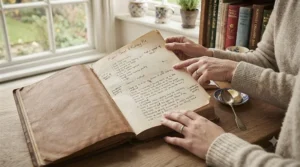
Sunday Roast Cookbook vs Traditional Sunday Lunch: What’s the Real Difference?
It’s worth untangling the terminology here, because “sunday roast cookbook” and “traditional sunday lunch” get used almost interchangeably, but the books built around them differ in emphasis. A dedicated sunday roast cookbook, like Sunday Roast: The Complete Guide to Cooking and Carving, typically narrows its entire focus to the meat itself — timing per kilo, resting technique, and the specific art of carving cleanly at the table.
A book built around the wider idea of traditional sunday lunch, by contrast, treats the roast as the centrepiece of a whole event — think Mary Berry’s Family Sunday Lunches, which covers trimmings, gravies, and the pudding that traditionally follows just as thoroughly as the joint itself. According to Wikipedia’s entry on the Sunday roast, the dish is traditionally eaten after the Sunday church service, which explains why so many of these books frame the meal as a ritual rather than just a dinner.
Neither approach is objectively better — it genuinely depends on whether your gap in knowledge is “how do I roast and carve meat properly” or “how do I plan and time an entire family meal.” Buyers chasing pure technique should lean toward the carving-focused option; buyers planning the whole event should lean toward the broader Sunday lunch collection.
British Comfort Food Books for British Family Meals
There’s a reason british comfort food books consistently outsell more austere, technical cookery titles — comfort food is, by definition, food people actually want to eat again and again, which matters enormously when you’re catering to fussy family palates rather than food critics.
For british family meals specifically, the sweet spot tends to sit between Delia’s Complete How To Cook for weeknight reliability and Pub Kitchen for the occasional weekend showstopper that gets genuine enthusiasm from teenagers who otherwise grunt at dinner. What most buyers overlook is that comfort food books succeed or fail on reheating and leftovers performance just as much as first-night flavour — pies, stews, and roast leftovers need to survive a Monday-night reheat, and Kerridge’s recipes score consistently well on this in aggregated reviewer feedback.
Family cooking also benefits from books that scale recipes sensibly; a household of two adjusting a family-sized roast recipe downward faces different maths than a household of six scaling one upward, and the better books in this list — particularly Mary Berry’s — include portion guidance that actually accounts for this rather than assuming a fixed household size.
Classic Dishes and Classic English Recipes: What These Books Actually Cover
It helps to be precise about what “classic dishes” and classic english recipes actually mean across these seven books, because the phrase covers a genuinely wide range — from humble weeknight staples through to formal centrepiece cooking.
At the everyday end, classic dishes typically means things like shepherd’s pie, toad in the hole, and a decent steak and kidney pudding — territory that Delia’s Complete How To Cook and Nadiya’s British Food Adventure both cover thoroughly, albeit with different levels of reinvention. At the more formal end, classic english recipes stretch into full roast dinners, trifles, and regional specialities that The British Cookbook documents almost obsessively, right down to lesser-known dishes most British cooks under 40 have genuinely never heard of. British cuisine has its roots in the cooking traditions of the indigenous Celts, though it has been significantly shaped by subsequent waves of settlement, conquest, and migration — which is precisely why a single “classic” recipe can look different depending on which region’s version a book chooses to feature.other might recognise them, prioritise the more traditional, less reinvented titles here; if you’re happy for classic english recipes to evolve a little, Nadiya’s book earns its place.
Common Mistakes When Buying Traditional British Recipes Books
The single biggest mistake is buying based on cover photography alone — a beautifully styled hardback tells you nothing about whether the recipes actually work when you’re standing at your own hob at 6pm on a Tuesday. Reviewer sentiment across all seven books here correlates far more strongly with clarity of method than with production values.
A second common mistake is buying a reference-scale book, like The British Cookbook, as a first-ever cookbook, then feeling discouraged when its sheer scope feels intimidating rather than inviting. Pair ambition with skill level honestly.
Third, plenty of buyers ignore print length entirely, then find a slim, budget title doesn’t have the range they expected for the price — worth checking page counts against your realistic weekly cooking needs before purchase, not after.
Finally, don’t assume a celebrity name guarantees reliability. Aggregated review data across this list shows star ratings vary meaningfully even among well-known authors — Delia’s Complete How To Cook sits at 4.5 stars while Sunday Roast: The Complete Guide to Cooking and Carving, a far less famous title, scores an exceptional 4.8.
Long-Term Cost & Value: Is a Physical Cookbook Still Worth It?
| Factor | Physical Cookbook | Free Online Recipes |
|---|---|---|
| Upfront cost | £10-£45 one-off | Free |
| Recipe reliability | Editorially tested, generally consistent | Highly variable |
| Best For | Building lasting technique | Quick one-off dish lookups |
| Longevity | Years of repeat use | Links can disappear or change |
The upfront cost of a good traditional british recipes book looks steep next to a free web search, but the comparison isn’t really apples to apples. A tested, edited cookbook like Mary Berry’s Family Sunday Lunches has been through a professional testing process most food blogs simply haven’t, which matters enormously when you’re feeding six people on a Sunday and can’t afford a failed centrepiece dish. Cost-per-use tells a clearer story: a £20 book used weekly for five years works out to roughly 8p per use, which is difficult for any other format to beat on genuine long-term value.
Features That Actually Matter (And Those That Don’t)
Page count and recipe volume matter less than most buyers assume — a slim, focused book like Sunday Roast: The Complete Guide to Cooking and Carving can deliver more real value than a bulkier title if it solves your specific problem well. What genuinely matters is testing rigour, clarity of method, and whether ingredient lists assume equipment you don’t own.
Glossy photography, by contrast, is largely marketing hype rather than substance — it looks lovely on a coffee table but has zero bearing on whether a recipe actually works. Similarly, celebrity-author status matters far less than aggregated review consistency; a lesser-known author with hundreds of consistently strong reviews, like Sophie Godwin’s Sundays: A Cookbook, is a safer bet than an unreviewed big name.
Frequently Asked Questions
❓ What is the best traditional British recipes book for beginners?
❓ How much do traditional British recipes books typically cost?
❓ Which cookbook is best specifically for Sunday roast dinners?
❓ Are modern British cookbooks better than classic ones?
❓ Do British cookbooks need to include nutritional information?
Conclusion
Choosing between traditional british recipes books ultimately comes down to matching the book to the gap in your own kitchen, not chasing whichever title has the shiniest cover. Beginners will get more genuine mileage from Delia’s Complete How To Cook, families building a weekly ritual should look hard at Mary Berry’s Family Sunday Lunches, and anyone wanting one definitive shelf reference should stretch to The British Cookbook. Food history has been documented extensively throughout British archives and collections, and these seven books are, in their own way, a small continuation of that same tradition — recipes worth passing down rather than scrolling past.
Whichever you choose, the real value shows up months from now, in the splattered pages and pencil notes that turn a printed book into something closer to a family heirloom.
Recommended for You
- Best British Cookbooks: 7 Kitchen Classics for 2026
- Gratitude Journal Books: 7 Best UK Picks to Try in 2026
- Positive Psychology Books: 7 Best Picks to Rewire Your Mindset (2026)
Disclaimer: This article contains affiliate links. As an Amazon Associate, I earn from qualifying purchases. If you purchase products through these links, we may earn a small commission at no additional cost to you.
✨ Found this helpful? Share it with your friends! 💬🤗
